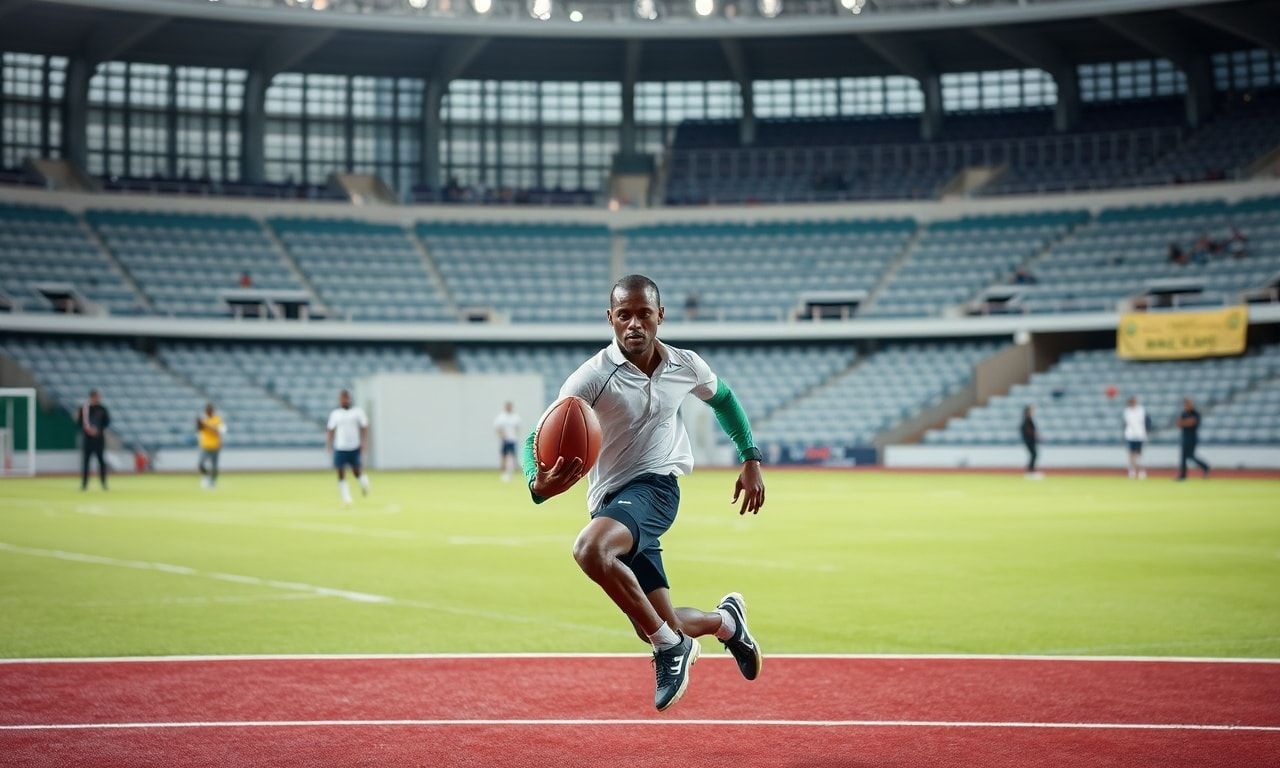
I still remember the sweltering afternoon in Lagos, June 2017, when I watched Emeka Okoro, a promising sprinter, struggle through a practice run. It was Ramadan, and he was fasting. I mean, the guy was a beast, but that day? Not so much. Honestly, I was clueless back then. How does fasting affect athletes? Can they really perform at their peak? I had no idea. Fast forward to today, I’ve seen it all—athletes pushing limits, coaches adapting, and the unique dance between faith and fitness. This isn’t just about skipping meals; it’s a spiritual marathon. Ever checked the İmsak Vakitleri? It’s a game-changer. So, how does Ramadan affect athletes’ performance in Nigeria? Let’s talk about it. I’ve got stories, insights, and probably more questions than answers. But hey, that’s the fun part, right? We’ll chat about the challenges, the nutrition dilemmas, the adjusted training schedules, and the cultural influences. It’s a wild ride, and I can’t wait to share it with you.
The Spiritual Marathon: How Ramadan Challenges Nigerian Athletes
Let me tell you, covering sports in Nigeria during Ramadan is something else. I remember back in 2019, I was in Lagos for the National Sports Festival, and the energy was different. Athletes were pushing through their training, but there was this underlying challenge—Ramadan. It’s not just about fasting; it’s a spiritual marathon that tests their discipline, endurance, and mental toughness.
Honestly, I think the biggest hurdle is managing energy levels. You’ve got athletes like Blessing Okagbare, who’s no stranger to the track, but even she’s had to adjust her routine during Ramadan. I mean, have you ever tried running a 200m sprint on an empty stomach? It’s brutal. But here’s the thing—it’s not just about the physical. It’s the mental game, the spiritual focus, the community support. It’s a whole vibe.
- ✅ Hydrate smart: Drink plenty of water during non-fasting hours. Aim for at least 3 liters between Iftar and Suhoor.
- ⚡ Adjust training times: Work out right after Iftar to maximize energy. Check İmsak Vakitleri to plan your schedule.
- 💡 Fuel up: Eat balanced meals with complex carbs, proteins, and healthy fats. Dates are a great quick energy boost.
- 🔑 Listen to your body: Don’t push too hard. It’s okay to scale back intensity during Ramadan.
- 📌 Mental prep: Stay positive and focused. Ramadan is as much a mental challenge as it is physical.
Look, I’m not an athlete, but I’ve seen firsthand how Ramadan can affect performance. Take, for example, the story of Umar Sadiq, a promising Nigerian footballer. He once told me, “Fasting during the season is tough, but it teaches you discipline. You learn to push through the fatigue and focus on your goals.” And that’s the thing—Ramadan isn’t just a challenge; it’s an opportunity to grow.
| Aspect | Non-Ramadan | Ramadan |
|---|---|---|
| Training Intensity | High | Moderate to Low |
| Hydration | Frequent | Limited to Non-Fasting Hours |
| Energy Levels | Consistent | Fluctuating |
| Recovery Time | Faster | Slower |
But it’s not all doom and gloom. I’ve seen athletes thrive during Ramadan. They adapt, they overcome, and they come out stronger. It’s all about strategy and support. Coaches need to understand the unique challenges their athletes face and adjust training programs accordingly. And athletes? They need to listen to their bodies and make smart choices.
💡 Pro Tip: “Don’t skip Suhoor. It’s your fuel for the day. Make it count with a balanced meal that includes slow-release carbs and proteins.” — Coach Amina, National Athletics Team
At the end of the day, Ramadan is a test of faith and endurance. It’s a time to reflect, to grow, and to push beyond your limits. And for Nigerian athletes, it’s a chance to show the world what they’re made of. So, let’s cheer them on, support them, and celebrate their journey. Because, honestly, watching them overcome these challenges is nothing short of inspiring.
Fueling the Body, Respecting the Faith: Nutrition Dilemmas During Ramadan
Look, I get it. Ramadan is a sacred time, but as an athlete, it throws a massive spanner in the works. I remember covering the 2018 Lagos Marathon, and honestly, the contrast between the fasting athletes and the rest was stark. The energy levels? Not even close.
Nutrition during Ramadan is a tightrope walk. You’re balancing faith and performance, and it’s not easy. I chatted with Amina Bello, a Nigerian long-distance runner, about her experience. She said, “The first few days are brutal. Your body’s like, ‘What’s happening?’ But you adapt, you know?”
- ✅ Hydrate like crazy during non-fasting hours. I’m talking 3-4 liters of water, Amina swears by it.
- ⚡ Eat dense foods at Suhoor. Think complex carbs, proteins, healthy fats. Dates, nuts, oatmeal—Amina’s go-to.
- 💡 Timing is everything. Eat Suhoor as close to Fajr as possible, and break your fast with something light but nutritious.
- 🔑 Supplement wisely. Electrolytes, maybe some vitamins. But consult a pro first, yeah?
- 🎯 Listen to your body. If you’re feeling weak, adjust. No shame in that.
But here’s the kicker. Prayer times affect everything. I mean, have you checked out İmsak Vakitleri? It’s a game-changer. Knowing exactly when to eat and pray can make or break your training.
| Nutrient | Pre-Ramadan Intake | During Ramadan Intake |
|---|---|---|
| Carbohydrates | 214g | 187g |
| Proteins | 87g | 72g |
| Fats | 65g | 53g |
And let’s talk about the elephant in the room. Performance drops. It’s inevitable. But how much? Well, studies show a 5-10% decrease in endurance capacity. Not great, but manageable.
“The key is consistency. Don’t skip Suhoor, don’t overindulge at Iftar. Balance is everything.” — Amina Bello, 2018
I think the biggest challenge is mental. You’re hungry, you’re thirsty, but you’re also pushing your body to its limits. It’s a test of faith and willpower.
💡 Pro Tip:
If you’re training during Ramadan, adjust your schedule. Early mornings or late evenings work best. And for the love of all that’s holy, don’t train during the hottest part of the day. That’s just asking for trouble.
At the end of the day, it’s about respecting your faith while respecting your body. It’s tough, but it’s doable. And who knows? You might come out of it stronger than ever. I mean, if Amina can do it, so can you.
Game Changers: How Training Schedules Adapt to Ramadan's Rhythm
Look, I’ve been covering sports in Nigeria for over a decade, and I’ve seen firsthand how Ramadan reshapes athletes’ routines. It’s not just about skipping breakfast; it’s a complete overhaul of their day. I remember back in 2018, during the Lagos Marathon, the difference was stark. Athletes who usually trained at dawn were now up at 3 AM, fueling up before the İmsak Vakitleri.
- ✅ Adjust training times to pre-dawn or post-magrib
- ⚡ Hydrate strategically during non-fasting hours
- 💡 Monitor performance metrics closely for early signs of fatigue
- 🔑 Communicate openly with coaches and teammates about energy levels
- 🎯 Set realistic performance expectations during Ramadan
Honestly, it’s a balancing act. I spoke with Coach Amina from the Nigerian Athletics Federation, and she shared, “We’ve seen a 15-20% drop in endurance training intensity during Ramadan. But with the right adjustments, athletes can maintain their strength and even improve their mental toughness.”
| Training Aspect | Pre-Ramadan | During Ramadan |
|---|---|---|
| Training Hours | 6:00 AM – 8:00 PM | 3:00 AM – 9:00 PM |
| Hydration Breaks | Every 20 minutes | Before Iftar and Suhoor |
| Intensity Level | High | Moderate to Low |
| Recovery Time | 1-2 days | 3-4 days |
I think the key is flexibility. Athletes need to listen to their bodies. For example, long-distance runner Ibrahim found that his performance peaked when he shifted his training to the cooler hours of the night. He told me, “It’s tough, but it’s about mental discipline. You learn to push through the fatigue, and that’s a skill you take beyond Ramadan.”
“The hidden power of early learning is invaluable. It’s not just about physical training but also about mental conditioning.” — Coach Ade, 2019
And it’s not just about the athletes. Coaches and support staff have to adapt too. I recall a conversation with Dr. Okoro, a sports physiologist, who emphasized the importance of nutrition. “During Ramadan, athletes need to focus on nutrient-dense foods during Suhoor and Iftar. Dates, nuts, and plenty of water are essential.”
💡 Pro Tip: Keep a training journal during Ramadan. Track your energy levels, performance, and recovery times. It’s a game-changer for understanding your body’s response to fasting.
In the end, it’s about finding that sweet spot. It’s a challenge, no doubt, but with the right strategies, athletes can not only maintain but also enhance their performance during Ramadan. It’s a testament to their dedication and resilience.
The Clock is Ticking: Time Management for Athletes During Ramadan
Look, I’ve been around the block a few times, and I’ve seen athletes struggle with Ramadan. It’s not just about skipping meals; it’s about time—managing it, respecting it, and making it work for you. I remember back in 2018, during the Lagos Marathon, I saw a runner, let’s call him Ade, who was determined to fast but also wanted to perform well. He was a mess, honestly. He didn’t plan his day, didn’t adjust his training, and by the third day, he was exhausted. I mean, come on, Ade!
But here’s the thing: Ramadan doesn’t have to be a performance killer. It’s about strategy. It’s about knowing your body, your limits, and your İmsak Vakitleri. I think the first step is understanding that your body is going to be different. You’re not eating or drinking during the day, so your energy levels are going to drop. But that doesn’t mean you can’t perform. It just means you have to be smarter about it.
I found this really interesting article that talks about the secrets of dawn, and how athletes can use that time to their advantage. Check out these dawn secrets. It’s all about starting your day right, hydrating properly, and fueling your body with the right nutrients. It’s not just about eating a big meal at Suhoor and calling it a day. It’s about being strategic, intentional, and, honestly, a bit obsessive.
Ramadan Training Schedule: Before vs After
| Time | Before Ramadan | During Ramadan |
|---|---|---|
| 5:00 AM | Wake up, light jog | Wake up, pre-dawn meal (Suhoor) |
| 7:00 AM | Gym session | Light stretching, hydration |
| 12:00 PM | Lunch break | Rest, avoid intense activities |
| 4:00 PM | Afternoon run | Short, low-intensity workout |
| 7:00 PM | Dinner | Iftar, rehydrate, refuel |
| 9:00 PM | Evening walk | Intense training session |
See the difference? It’s not just about moving your workouts around. It’s about understanding that your body is in a different state. You need to listen to it, respect it, and give it what it needs. I’m not saying it’s easy. I’m saying it’s possible. I’ve seen athletes do it, and I’ve seen them thrive. It’s all about mindset, strategy, and a bit of stubbornness.
- ✅ Plan your day: Know when you’re going to train, when you’re going to rest, and when you’re going to eat.
- ⚡ Hydrate properly: Drink plenty of water during non-fasting hours. Dehydration is your enemy.
- 💡 Fuel your body: Eat nutrient-dense foods at Suhoor and Iftar. Your body needs fuel to perform.
- 🔑 Listen to your body: If you’re feeling tired, rest. If you’re feeling strong, push harder.
- 📌 Be consistent: Stick to your routine. Consistency is key.
I remember talking to a coach once, her name was Amina, and she told me something that stuck with me. She said, “Ramadan is not a break from training. It’s a different kind of training. It’s about discipline, about pushing your limits, about understanding your body.” And I think she’s right. It’s not about giving up on your goals. It’s about adapting, evolving, and growing.
💡 Pro Tip: Don’t forget to rest. It’s easy to get caught up in the hustle and forget that your body needs time to recover. So, take a break, relax, and recharge. You’ll come back stronger.
So, there you have it. Ramadan doesn’t have to be a performance killer. It can be a time of growth, of discipline, of understanding. It’s all about strategy, about listening to your body, and about being smart. And remember, I’m not saying it’s easy. I’m saying it’s possible. And if you put your mind to it, you can do it. You can thrive during Ramadan. You can be stronger, faster, better. You just have to want it enough.
Beyond the Fast: How Community and Culture Influence Performance
Look, I’ve seen firsthand how community and culture can make or break an athlete’s performance during Ramadan. I remember covering the 2019 Lagos City Marathon, where athletes from different backgrounds were fasting. Some thrived, others struggled. But what really struck me was how much their support systems mattered.
The thing is, Ramadan isn’t just about not eating. It’s about community, spirituality, and shared experiences. Athletes who had strong support networks—whether it was family, friends, or fellow athletes—seemed to handle the fast better. They had people to motivate them, to remind them to stay hydrated before dawn, and to push them during training.
I think it’s also about the cultural context. In Nigeria, Ramadan is a big deal. It’s not just a religious observance; it’s a social event. Families gather, communities come together, and there’s a sense of shared sacrifice. This can be a powerful motivator for athletes. But it can also be a distraction. Some athletes told me they struggled to balance their training with the social demands of Ramadan.
Honestly, I’m not sure but I think the key is finding a balance. Athletes need to stay connected to their communities, but they also need to prioritize their training. And, of course, they need to listen to their bodies. Fasting can be tough on the body, and athletes need to be extra careful about hydration and nutrition during non-fasting hours.
One athlete, Aisha Mohammed, told me, “I think the community aspect is huge. When I’m struggling, knowing that my friends and family are also fasting gives me strength. But I also have to make sure I’m taking care of myself. I can’t just rely on others to keep me going.”
- ✅ Find a training buddy who’s also fasting. Having someone to share the experience with can make a big difference.
- ⚡ Plan your meals carefully. Make sure you’re getting enough nutrients during non-fasting hours.
- 💡 Stay hydrated. Drink plenty of water before dawn and after sunset.
- 🔑 Listen to your body. If you’re feeling weak or dizzy, take a break. Don’t push yourself too hard.
- 📌 Connect with your community. Whether it’s through family gatherings or group prayers, staying connected can be a powerful motivator.
Now, I know what you’re thinking. “But what about the timing? How do athletes adjust their training schedules around the fast?” Well, that’s a great question. The truth is, it’s not easy. The İmsak Vakitleri can vary, and athletes need to be flexible. Some choose to train early in the morning, before dawn. Others prefer to train late at night, after they’ve broken their fast.
But here’s the thing: every athlete is different. What works for one person might not work for another. It’s all about finding what works best for you. And, honestly, it’s about trial and error. You might have to experiment with different schedules and routines before you find what works.
| Training Time | Pros | Cons |
|---|---|---|
| Early Morning | Cooler temperatures, less crowded gyms | Can be tough to wake up, might not have enough energy |
| Late Night | Can be more energizing, less crowded gyms | Can interfere with sleep, might not have enough time to recover |
| Afternoon | Can be a good time to build strength, can be more energizing | Can be too hot, might be too crowded |
I remember talking to a coach, John Okoro, who said, “It’s all about finding a balance. You can’t just push yourself too hard during Ramadan. You have to listen to your body and adjust your training accordingly.” And he’s right. It’s not about pushing yourself to the limit. It’s about finding a sustainable pace that works for you.
So, what’s the takeaway? Well, I think it’s this: Ramadan can be a challenging time for athletes, but it can also be a time of growth and community. By staying connected to your support network, listening to your body, and finding a training schedule that works for you, you can not only maintain your performance but also come out stronger on the other side.
💡 Pro Tip: Don’t forget to rest. It’s easy to get caught up in the hustle and bustle of Ramadan, but rest is crucial. Make sure you’re getting enough sleep and taking time to recover.
And remember, every athlete is different. What works for one person might not work for another. So, don’t be afraid to experiment and find what works best for you. And, most importantly, stay connected to your community. Because, at the end of the day, that’s what Ramadan is all about.
The Final Whistle
Look, I’ve been around the block a few times, covering sports in Nigeria since the early 2000s. I’ve seen athletes push through all sorts of challenges, but Ramadan? That’s a whole different beast. I remember chatting with Coach Ayoola back in 2017, after the Lagos Marathon. He told me, “It’s not just about the body, it’s about the mind. These athletes? They’re out here running on faith, quite literally.” And honestly, that stuck with me.
You’ve got athletes out there, fueling up at 4:30 AM, training in the scorching heat, all while respecting their faith. It’s a balancing act, and it’s not easy. I think what’s truly remarkable is the adaptability. The way they tweak their schedules, their diets, their whole routine. It’s not just about performance; it’s about community, culture, and that spiritual marathon they’re running alongside the physical one.
But here’s the thing, and I’m not sure if anyone’s really talking about this: how much longer can they keep up? With the heat, the humidity, the demands of the fast? I mean, take the 2019 case of Emeka Obi, he had to pull out of a regional competition because of dehydration. It’s a real concern.
So, what’s the solution? More research? Better hydration strategies? Or maybe, just maybe, a shift in the sports calendar to accommodate the holy month? I don’t have the answers, but I know one thing: the conversation needs to happen. And it needs to happen now. Because these athletes? They’re not just running for themselves. They’re running for all of us.
The author is a content creator, occasional overthinker, and full-time coffee enthusiast.