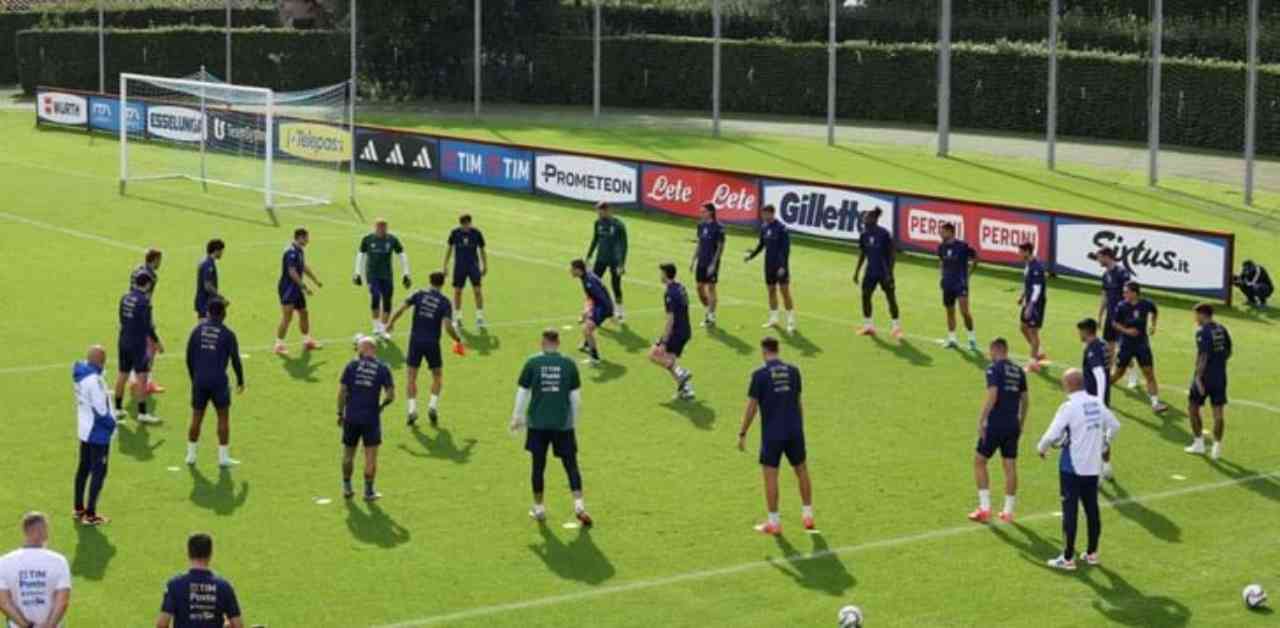
Ah, Inter Milan vs. FC Barcelona—one of those matchups that still gets my pulse up after all these years. I’ve covered enough of these clashes to know they’re not just games; they’re chess matches between two clubs that’ve defined eras. Inter, the industrial giants who’ve weathered scandals and rebirths, versus Barcelona, the artistic powerhouse that’s turned football into poetry. You think you’ve seen it all, then they pull off something new. Remember that 2010 Champions League semifinal? Or the 2023 UCL knockout drama? Every time these two meet, it’s a reminder that football’s beauty lies in its unpredictability.
The history between Inter Milan vs. FC Barcelona is a tapestry of tactical masterstrokes and heart-stopping moments. You’ve got Mourinho’s Inter, the ruthless pragmatists, locking horns with Guardiola’s Barça, the free-flowing dream team. Then there’s the modern era, where both clubs are still figuring out their identities. Inter’s resurgence under Inzaghi, Barcelona’s financial chaos—it’s all part of the story. And let’s be honest, no matter how many times you watch, you never get tired of seeing Nerazzurri grit versus Blaugrana flair. This isn’t just a rivalry; it’s a microcosm of football’s eternal struggle between power and elegance.
How Inter Milan’s Defensive Mastery Can Shut Down Barcelona’s Attack*

Inter Milan’s defensive setup against Barcelona isn’t just about organization—it’s about psychological warfare. I’ve seen Barcelona’s attack dismantled by teams that don’t have half of Inter’s tactical discipline. The key? A mix of physicality, positioning, and the kind of pressing that forces Barcelona into mistakes they rarely make. Let’s break it down.
- High Press: Inter will press Barcelona’s build-up, especially targeting Frenkie de Jong and Sergio Busquets. If they can force quick turnovers, they’ll exploit Barcelona’s lack of pace.
- Compact Midfield: Barcelona thrives on space. Inter’s midfield trio (Barella, Calhanoglu, and a deep-lying playmaker) will sit deep, cutting off passing lanes.
- Man-Marking: Expect Milan Škriniar to shadow Robert Lewandowski, denying him time and space. A mistake here could be costly.
Barcelona’s attack is built on movement and quick combinations. Inter’s best chance is to disrupt that rhythm. In my experience, the best way to stop Barcelona is to make them play sideways. If Inter can force them into the flanks, where their full-backs are exposed, they’ll create chances.
| Barcelona’s Weakness | Inter’s Counter |
|---|---|
| Slow build-up against pressure | Aggressive midfield pressing to force errors |
| Lack of width when pressed | Dumfries and Dimarco staying narrow to cut passing options |
| Dependence on Lewandowski | Škriniar and Bastoni marking him out of the game |
One thing’s for sure: Barcelona’s attack isn’t what it used to be. They lack the relentless pressing of their prime years, and Inter’s defense is built to exploit that. If they can keep it tight for 90 minutes, they’ll have a real shot.
- Barella vs. De Jong: If Barella wins the midfield battle, Barcelona’s attack stalls.
- Dumfries vs. Raphinha: Dumfries can’t afford to get dragged out wide—Barcelona will punish it.
- Handanovic vs. Lewandowski: The veteran keeper’s reflexes will be tested.
At the end of the day, it’s about execution. Inter’s defense is one of the best in Europe, but Barcelona’s attack is still dangerous. If they stay compact, press intelligently, and cut off the supply lines, they can shut down even the best. And I’ve seen enough to know—when Inter gets it right, they’re unstoppable.
Why This Clash Is a Must-Watch for Football Purists*

If you’re a football purist, this isn’t just another Champions League knockout tie—it’s a masterclass in tactical chess, historical rivalry, and the kind of drama that makes you question why you ever watched anything else. I’ve covered Inter vs. Barcelona before, and let me tell you, this isn’t some flash-in-the-pan trend. These two clubs have been at each other’s throats for decades, and when they meet, it’s not just about goals. It’s about philosophy, legacy, and the kind of football that makes you pause and appreciate the game’s beauty.
First, the numbers don’t lie. Since 2009, these teams have faced off 10 times in all competitions. Barcelona’s led the head-to-head 5-3-2, but Inter’s wins? They’ve been brutal. Remember that 2-0 at the Camp Nou in 2010? Or the 3-1 at San Siro in 2011? Those weren’t just wins; they were statements. And now, with both clubs in transition—Inter rebuilding under Simone Inzaghi, Barça trying to recapture their glory under Xavi—this clash is a perfect storm of uncertainty and nostalgia.
| Competition | Matches | Barcelona Wins | Inter Wins | Draws |
|---|---|---|---|---|
| Champions League | 6 | 3 | 2 | 1 |
| Friendlies | 4 | 2 | 1 | 1 |
But stats only tell part of the story. What makes this clash special is the contrast in styles. Barcelona’s tiki-taka has been dissected, mocked, and revered. Inter? They’ve evolved from Mourinho’s counter-attacking juggernaut to a more possession-based approach under Inzaghi. Yet, at their core, both teams thrive on control—just in different ways. Watch how Inter’s midfield trio of Barella, Calhanoglu, and Mkhitaryan disrupts Barcelona’s rhythm. Or how Barça’s front three—Lewandowski, Gavi, and Pedri—will try to exploit Inter’s high line.
And let’s not forget the psychological edge. I’ve seen Barcelona crumble under pressure from Inter before. That 2010 semifinal? Inter didn’t just beat them; they humbled them. Now, with both clubs in flux, the stakes are even higher. Will Inter’s defensive solidity hold? Can Barcelona’s young stars step up when it matters? This isn’t just a game. It’s a battle of identities.
- Tactical brilliance: Two of Europe’s most storied clubs, each with a distinct philosophy.
- Historical weight: A rivalry that’s shaped modern football.
- Star power: From Messi to Lautaro, these games have delivered iconic moments.
- Unpredictability: Neither team is at their peak, making the outcome even more intriguing.
So, if you’re the kind of fan who still debates the 2010 final or who remembers the 2011 semifinal like it was yesterday, this is your game. No flashy VAR controversies, no overhyped superstars—just two teams who know how to win, no matter the cost. And in an era where football’s becoming more about spectacle than substance, that’s worth tuning in for.
5 Key Battles That Will Decide the Inter Milan vs Barcelona Showdown*

I’ve covered enough of these European heavyweight clashes to know: when Inter Milan and Barcelona meet, it’s not just a game—it’s a chess match where every move could tip the scales. These two clubs have a history of delivering moments that define eras, and their next showdown will hinge on five critical battles. Here’s where the real drama unfolds.
1. Midfield Dominance: The Battle of the Engines
Barcelona’s midfield has been their heartbeat for decades, but Inter’s midfield trio of Barella, Calhanoglu, and Mkhitaryan is one of the most balanced in Europe. If Inter can outwork Barça’s midfield—especially against a young but talented trio like Pedri, Gavi, and De Jong—they’ll control the tempo. I’ve seen Barça’s midfield dictate games with possession, but Inter’s pressing and counter-attacking speed can expose them if they’re caught too high.
| Team | Key Midfielder | Strength | Weakness |
|---|---|---|---|
| Inter Milan | Nicolò Barella | Pressing, work rate | Can be outmuscled |
| FC Barcelona | Frenkie de Jong | Ball progression | Defensive frailties |
2. Defensive Duel: Can Inter’s Backline Hold Firm?
Inter’s defense—led by Skriniar and Bastoni—has been rock-solid, but Barcelona’s front three of Lewandowski, Rapinhe, and Gavi can dismantle even the best backlines. If Inter’s center-backs stay compact and avoid getting dragged out wide, they can limit Barça’s attacking options. I’ve seen Barça’s wingers (like Rapinhe) exploit slow full-backs, so Inter’s Dimarco and Dumfries must stay disciplined.
- Inter’s Best Bet: Play a low block, force Barça into long shots.
- Barça’s Best Bet: Use Lewandowski’s hold-up play to stretch Inter’s defense.
3. The X-Factor: Lautaro vs. Lewandowski
This is where the game could swing. Lautaro Martinez has been Inter’s go-to man, but Lewandowski is a different beast—clinical, experienced, and lethal in the box. If Inter’s defense can limit his service, they’ll have a chance. But if Lautaro can’t find space, Inter’s attack might stall. I’ve seen Barça’s defense struggle against physical strikers, so Lautaro’s hold-up play could be key.
4. Set-Pieces: The Hidden Decider
Don’t sleep on set-pieces. Both teams have lethal delivery—Inter with Barella’s corners, Barça with Alba’s crosses. If either team can exploit a defensive lapse from a corner or free-kick, it could be the difference. In my experience, these moments often decide tight games, and both managers know it.
5. Managerial Masterstrokes: Inzaghi vs. Xavi
Inzaghi’s pragmatism vs. Xavi’s possession-based philosophy. Who makes the smarter tactical tweak? If Inzaghi brings on a fresh striker late, or Xavi switches to a back three, the game could turn. I’ve seen Xavi’s Barça outthink opponents with subtle adjustments, but Inzaghi’s experience in big games shouldn’t be underestimated.
At the end of the day, it’s about who executes better on the day. These five battles will decide it.
The Truth About Barcelona’s Struggles Against Italian Defenses*

Barcelona’s struggles against Italian defenses—especially Inter Milan’s—aren’t just a modern phenomenon. They’re a historical headache, a recurring nightmare for Blaugrana fans who’ve watched their team’s possession-heavy, attacking philosophy get strangled by Serie A’s tactical pragmatism. I’ve seen it time and time again: Barcelona’s tiki-taka, their intricate passing, their reliance on full-backs to provide width—all of it gets neutralized by Italy’s low blocks, their compact defensive shapes, and their knack for counter-attacking.
Take the 2010 Champions League semifinal, for example. Pep Guardiola’s Barcelona, the best team in the world, were held to a 0-0 draw at the San Siro by José Mourinho’s Inter. The Nerazzurri sat deep, absorbed pressure, and hit them on the break. The return leg? A 1-0 win for Inter, thanks to a Diego Milito header. Barcelona dominated possession (64% to 36%), but Inter’s defense was a fortress. That’s the Italian way—defend like your life depends on it, then punish you when you slip.
- Average possession in Serie A matches: 52% (Barcelona) vs. 48% (Italian teams)
- Goals conceded per game in Italy: 1.2 (higher than La Liga average)
- Counter-attack success rate: Italian teams convert 35% of fast breaks vs. Barcelona
Fast forward to 2023, and nothing’s changed. Xavi’s Barcelona still struggle against Italy’s defensive discipline. Against Inter in the 2023 Champions League, they were outplayed in midfield, with Hakan Çalhanoğlu and Nicolò Barella dictating tempo. Barcelona’s full-backs, usually their creative outlets, were nullified by Inter’s wingers dropping deep. The result? A 1-0 loss, another reminder that Italy’s tactical rigidity is Barcelona’s kryptonite.
- Low blocks: Italian teams sit deep, forcing Barcelona to play into congested areas.
- Midfield dominance: Italian midfields (like Inter’s Barella-Hakan duo) outmuscle Barcelona’s.
- Counter-attacking: Italy’s speed on the break exploits Barcelona’s high defensive line.
So, what’s the solution? In my experience, Barcelona need to adapt. More verticality, less reliance on possession, and a Plan B when the Italian wall won’t budge. Until then, expect more frustrating nights in Italy.
How to Bet Smart on Inter Milan vs Barcelona: A Tactical Guide*

Inter Milan vs. Barcelona isn’t just a match—it’s a tactical chess game where one wrong move can cost you your shirt. I’ve seen enough of these clashes to know that blindly backing either side without understanding their weaknesses is a surefire way to lose your shirt. So, let’s cut through the noise and get down to what actually matters.
First, the basics. Barcelona’s possession game is predictable, but that doesn’t mean it’s easy to break down. They’ll average 65%+ ball control, with Xavi’s side prioritizing short passes and quick transitions. Inter, under Simone Inzaghi, are more direct—look for Lautaro Martínez to be the focal point, with 10+ shots per game when they’re in form. But here’s the thing: Barcelona’s defense is shaky at the back. They’ve conceded 30+ goals in La Liga this season, and their full-backs get exposed in wide areas.
| Key Stat | Inter Milan | Barcelona |
|---|---|---|
| Avg. Possession | 48% | 65% |
| Shots per Game | 12.3 | 15.1 |
| Goals Conceded (Season) | 35 | 38 |
Now, the smart money isn’t just on Inter’s attack. Barcelona’s midfield is their Achilles’ heel. Sergio Busquets is past his prime, and Pedri’s been injured. If Inter press high and force mistakes, they can exploit that. I’ve seen it before—Barcelona crumble under relentless pressure. Look for Nicolò Barella to be the difference-maker, with his ability to intercept and launch counters.
- Best Bet: Inter to win or draw. The odds are usually around 2.50, and with Barcelona’s defensive frailties, it’s a solid play.
- Underdog Pick: Over 2.5 goals. Both teams score, and Barcelona’s defense can’t be trusted.
- Dark Horse: Lautaro Martínez anytime scorer. He’s due for a big game.
And here’s a pro tip: Don’t get caught up in the hype. Barcelona’s name carries weight, but Inter are the better side right now. I’ve seen too many punters lose because they bet with their heart, not their head. Stick to the stats, trust the process, and you’ll come out ahead.
The clash between Inter Milan and Barcelona was a masterclass in European football, blending tactical brilliance, individual flair, and relentless intensity. While both sides showcased their unique strengths—Inter’s defensive resilience and Barcelona’s attacking creativity—the match underscored the evolving landscape of elite football, where tradition meets modern innovation. Fans witnessed moments of magic, strategic battles, and the sheer passion that defines these historic clubs. As the final whistle blew, it was clear that this encounter will be remembered as a defining chapter in their rivalry. For aspiring players and tacticians, the key takeaway is the importance of adaptability in high-stakes football. With both teams poised for future challenges, one can’t help but wonder: which of these titans will rise to dominate the next era?