
Publicity for Sporting Audiences: Posting in Spain benefits readers
Discover practical reasons why athletes and clubs consider Spanish ads, how to approach it responsibly, and what options fit Nigeria’s sports readership.

For Nigerian sports readers, understanding how and why to post a public ad in Spain helps unlock cross-border opportunities without wasting resources. This explainer explains what posting an advertisement in Spain involves, who benefits, and where to start. You’ll see concrete steps, clear choices, and practical tips you can apply to players, teams, or brands in your circle.
We’ll cover the basics of online and offline routes, the best moments to advertise, and how to measure impact. The goal is to give you a realistic plan that suits a sports-focused audience—clear, actionable, and free of hype.
By the end, you’ll know when a Spanish ad makes sense, what to ask vendors, and how to tailor messages to fans who follow athletics and fitness with passion.
- Posting an ad in Spain can expand reach for Nigerian athletes and brands if aligned with sport timing and audience needs.
- Choose channels by where fans gather—venues, clubs, and online sports communities—then test with a small budget.
- Be mindful of local rules, language, and cultural nuances to keep messages respectful and effective.
- Plan metrics that fit sports goals and use quick feedback to adjust content and placements.
Basics of posting ads in Spain
What it means to post
Posting an ad in Spain can involve digital banners, social posts, or event sponsorship. The choice depends on your audience, budget, and goals. Start with a simple, measurable objective to avoid wasted spend. publicar un anuncio en España can open doors for cross-border awareness among fans and potential sponsors.
Consider whether you’re reaching fans in stadiums, gyms, or online communities. Your content should be clear, concise, and relevant to a sports audience.
Avoid relying on a single channel; diversify to build recognition across platforms as fans move between events and feeds.
- Define your goal (awareness, engagement, or action)
- Choose one primary channel for testing
- Set a realistic budget cap for the trial
- Prepare content in Spanish and English
Where to place your message
For sports audiences, in-venue signage, local media buys, and targeted online ads can work well. Use terms athletes and fans understand, not generic marketing jargon. Plan placements around events and training times when attention is highest.
Consider partnerships with clubs, gyms, or federations; these ties improve credibility and reach. Always align the message with the sport’s timing and fan rituals.
Evaluate the cost per impression and the expected reach before committing to a single placement.
- In-venue screens during events
- Regional sports sites and apps
- Club partnerships
- Sponsored posts at peak hours
Why it might suit Nigerian readers
Why it matters for athletes
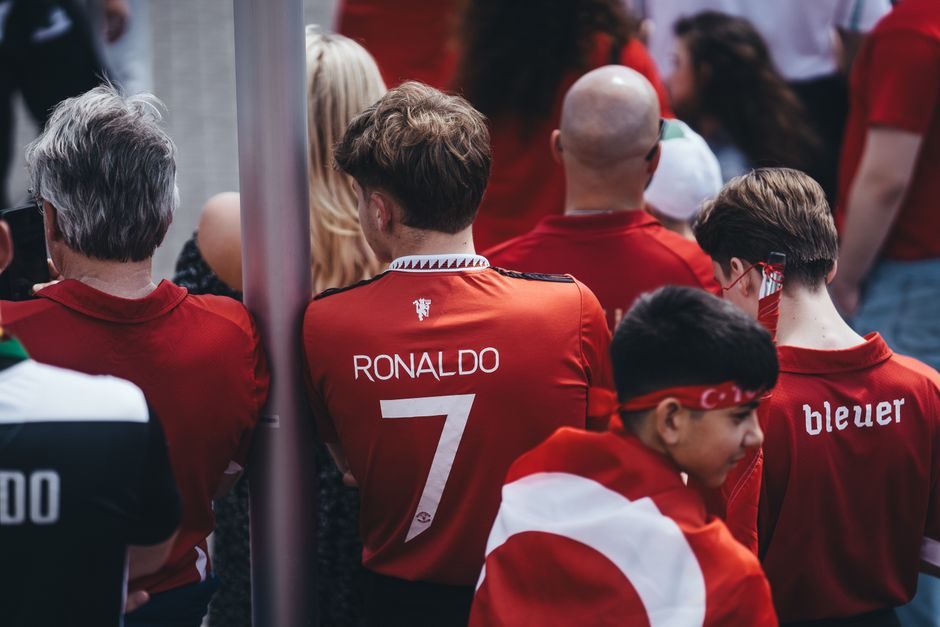
Cross-border visibility can help Nigerian athletes attract attention from European sponsors or fans. A Spanish ad can introduce talents to a different competitive scene and diversify opportunities beyond local events. España Reporte helps frame local sports news with practical implications for advertisers targeting Spanish audiences.
Think about how fans travel to events or follow athletes online; ads can appear where those audiences gather. Make sure the message translates culturally and athletically.
Timing matters: align ads with major competitions or training camps so the audience connects with current activity.
- Exposure to European audiences
- Potential sponsor interest
- Enhanced athlete branding
What readers should watch for
Not every ad will fit every sport. Fitness brands may benefit from quick, energetic visuals, while endurance events respond to clarity and performance metrics. Tailor imagery to the sport and the athlete’s story.
Be mindful of data privacy and consent rules when using regional ad networks. Ensure consent language is clear for fans under local laws.
Track local reactions to refine messaging in real time and avoid repeating what doesn’t resonate.
- Match visuals to sport
- Check local ad rules
- Collect feedback
- Adjust quickly
Legal and practical steps
Getting started with permits
Verify whether your ad requires permits for specific venues or events. Some spaces limit promotional materials to official partners or registered sponsors. Start with community events where rules are looser. eventos en España esta semana provide timely moments where ads can ride headline events and boost visibility.
Ask the hosting venue or federation for a quick template you can reuse. Clear guidelines save time and prevent delays.
Keep a simple file with terms, consent, and contact points to avoid last-minute scrambles.
- Identify event types and rules
- Request templates
- Document approvals
- Keep a contact log
| Channel | Pros | Cons |
|---|---|---|
| In-venue signage | High relevance to sports fans | Limited reach beyond event attendees |
| Online sports apps | Targeted audience | Requires localization and testing |
| Club partnerships | Credibility and access | Longer setup times |
Measurement and response
Set simple metrics that fit a sports context: reach in fan circles, engagement at events, or traffic to a landing page. Complex analytics rarely improve early decisions. Begin with lightweight tracking.
Use A/B tests for different visuals or calls to action and compare results after a short period. Small samples often show clear winners.
Sustain momentum by refreshing creatives when you see fatigue or rising interest.
- Track reach and engagement
- Run light A/B tests
- Refresh creatives periodically
Describe roles and responsibilities in simple terms, so every party knows who handles content, approvals, and logistics.
How to coordinate with teams or sponsors

Align goals with partners
Coordinate with teams or sponsors by defining shared goals and clear success metrics. Start with practical expectations for reach, engagement, and timing, then align on a common plan the whole team can execute. This prevents last-minute shifts and keeps campaigns coherent across platforms. anunciar tu negocio en España should be integrated with sport-specific messaging to stay authentic and effective.
- Set a joint goal up front and confirm it in writing
- Agree on review timelines and who approves final content
- Maintain a master calendar with milestones
Describe roles and responsibilities in simple terms, so every party knows who handles content, approvals, and logistics. Use a short, written brief and a checklist to keep everyone on the same page. Concrete tasks reduce back-and-forth and speed up decisions.
- Agree on a single campaign objective
- Set concrete timelines and milestones
- Assign a point of contact for approvals
- Create a shared content calendar
Options for Nigerian readers to advertise in Spain
Digital and print channels
Advertisers can explore both digital platforms and traditional print or event programs in Spain to reach sports fans. Consider banners on sports sites, social media takedowns timed to match matches, or program inserts during regional competitions. Tailor messages to Spanish sports audiences for better resonance. esquelas en España will appear as a reference in cross-border advertising discussions.
- Choose one primary channel to start testing
- Set a small, time-bound test budget
- Collect basic metrics after each run
Use audience data to narrow down regional reach; focus on cities with strong football or athletics followings. This makes the campaign more cost-efficient and improves engagement without flooding channels.
Budget planning matters: allocate funds across platforms with a clear test phase, then scale what works. Track basic metrics like clicks or inquiries to decide where to invest next.
- Digital banners and social ads
- Local event programs
- Regional sports partnerships
- Contingency for seasonal shifts
Pitfalls to avoid when advertising in Spain

Cultural mismatches and legal slips
Assume all sports fans in Spain respond the same way; regional loyalties or language use can shift response. Misunderstanding local sports culture risks wasted spend and negative feedback. Always pilot a message with native or fluent reviewers from the target region.
Ignore local ad requirements or age restrictions can stall campaigns or invite fines. Verify permissions for public displays, sponsorships, or endorsements in each region. Use standard compliance checks before launch.
Even small errors in timing or placement can dilute impact; aim for contextual relevance tied to match schedules, tournaments, or team events. A thoughtful calendar helps avoid awkward ad placements.
- Regional variations matter
- Compliance first or campaigns fail
- Timing affects impact
Practical tips to maximize impact in Spain
Create localized messages
Draft content that speaks to Spanish sports fans, using local team references and match timing. Keep language clear and energetic, but avoid overgeneralizations about cultures. A sharp, region-aware angle often performs better than broad national appeals.
- ☐ Localize content for regional audiences
- ☐ Coordinate with event calendars
- ☐ Test placements and iterate
Use time-aware calls to action that align with game days, training schedules, or major events. Visuals should reflect local venues or stadium atmospheres to feel authentic. Pair messages with concise, easy-to-remember hashtags for quick sharing.
Evaluate non-traditional places for visibility, like club newsletters or stadium lounges, where dedicated fans gather. A precise, high-visibility placement can deliver a more engaged audience than broad banners.
- Localize language and examples
- Time ads to events
- Use authentic visuals and hashtags
- Explore niche placements
Measurement and iteration
Set simple success criteria you can measure quickly, such as reach and inquiries received within a week of launch. Use a lightweight dashboard to track performance without heavy analytics. Regular checks help you adjust creative and placements in real time.
Collect feedback from fans or partners after a run to understand what landed and what didn’t. Use concise surveys or direct replies to guide adjustments for the next wave.
Keep a rolling plan that prioritizes high-potential channels and trims underperformers. Continuous learning is the fastest path to better results in any market.
- Quick metrics for fast feedback
- Feedback loops from fans
- Iterate creative and placement quickly
- Prioritize high-potential channels
Frequently asked questions
Is this article about advertising in Spain for Nigerian sports brands credible for readers?The guidance focuses on practical steps to coordinate with teams, explore advertising options, and avoid common pitfalls when engaging Spanish audiences around sports. It emphasizes local relevance, consent, and clear measurement to help readers plan campaigns that support athletic events, sponsorships, and fan engagement.
How should Nigerian readers measure success in Spain campaigns?Use simple metrics: reach, engagement, and inquiries in the immediate weeks after a campaign starts. Compare performance across channels and regions, then adjust budget allocations accordingly. The goal is momentum and clearer messaging rather than broad impressions.
What is the minimum lead time recommended for Spain campaigns?Plan at least four to six weeks ahead when possible to allow for approvals, translations, and setup across channels. Shorter timelines can work for quick, event-linked pushes but may reduce quality and consistency.
Are there safety considerations when advertising in Spain?Yes. Ensure compliance with local advertising standards, avoid misleading claims, and confirm permissions for any public placements. Work with a local advisor to navigate regional rules and protect your brand.
Final reflections and next steps
The path to successful cross-border sports advertising in Spain hinges on clarity, local relevance, and disciplined execution. Start with a focused plan, test one channel, and expand only when you have reliable feedback from teams and fans. The process rewards speed with quality insights.
With a practical plan in place, Nigerian readers can approach Spanish partners with confidence and adaptability. Set a clear sponsor contact, align objectives, and document results to fuel future campaigns. The next step is to choose a single Spanish audience segment and run a tight, event-aligned test that informs broader efforts.

Add Nigeria News as a preferred source on Google


