
Register Your Company in the USA: A Sports Brand Edge
A practical guide for Nigerian sports brands and athletes on why and how to register a company in the USA, with steps, pitfalls, and tips for success.

If you run a Nigerian sports brand, registering a company in the USA can open new sponsorships, safer payment rails, and access to bigger markets. This guide walks you through the basics, then moves to practical steps you can take this week. You’ll learn why the move matters for athletes, teams, and fitness ventures, and how to start without overcommitting resources.
First, you’ll see the core reasons this move helps your visibility and stability. Then you’ll get a step-by-step plan that fits a growing club or athlete-led business. Finally, you’ll spot common traps and quick fixes that keep your project on track.
This article uses plain language and concrete steps you can act on now. It emphasizes what matters for sports readers: practical advantages, costs framed in real terms, and risk-aware decisions. Expect a clear path from intention to a functioning setup you can discuss with partners and advisors.
- Registering a US entity gives legal protection and a clear ownership structure.
- Choose the right state and entity to match your growth plan.
- Open a US bank account and get an EIN to separate finances.
- Plan for compliance with ongoing filings and reporting to stay in good standing.
Basics of cross-border business
What registering accomplishes
Starting with the why, registering establishes a legal home for your activities in the USA. It clarifies ownership, protects assets, and helps in tax planning. For a sports brand, it signals legitimacy to sponsors and leagues, which can improve contract offers. register your company in the USA is the first step toward formalising your US presence and attracting partners.
- A registered entity gives liability protection and easier compliance
- Sponsors and partners prefer working with formal entities
- Understand your main federal and state obligations early
- Builds credibility with sponsors
- Simplifies banking and payroll
- Creates a clear ownership structure
- Positions you for partnerships and visas
- Helps with licensing and permits
Legal considerations for teams
Sports entities face unique rules around athletes, sponsorships, and event operations. A USA-registered company needs a clear governance framework, simple contracts, and compliant sponsorship disclosures.
How to start the process
Choose a state and entity
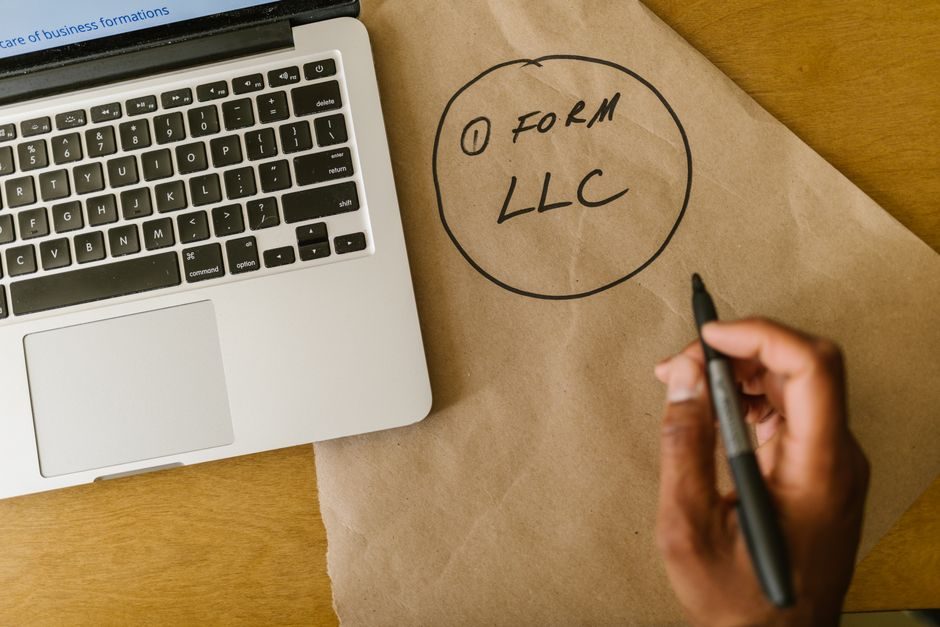
Start by selecting a state that aligns with your market access and tax preferences. Common choices include Delaware for entity flexibility and California for proximity to major leagues, but your circumstances matter. Pick an entity type that fits your goals, such as an LLC for flexibility or a corporation for scaled growth. Deco Art
- Overlooking state tax implications
- Choosing an entity without long-term needs
- Ignoring ongoing compliance requirements
- Delaware offers flexible governance
- States vary in taxes and filing fees
- LLC vs. C-corp: know the trade-offs
- Consider your long-term ownership plan
- Seek professional advice early
Funding and banking setup
Open a US bank account for the entity to separate personal and business finances. You’ll need an Employer Identification Number (EIN) and basic corporate documentation. If you have partners, set up a clear signatory policy and expense controls.
- Apply for an EIN online
- Prepare operating agreements or bylaws
- Set up expense and reimbursement rules
- Choose a bank with foreign-friendly onboarding
Options and pitfalls
Sponsor-friendly structures
Many brands use a simple LLC to keep costs predictable while pursuing sponsorships. A clear contract framework helps you close deals and manage obligations without overcomplicating governance. what's on in the USA
- ☐ Decide entity type
- ☐ File initial registrations
- ☐ Prepare governing documents
- ☐ Open bank account
- Keep contracts concise
- Document sponsorship limits and KPIs
- Use a local address for credibility
- Assign a competent governing body
| Entity type | Pros | Cons |
|---|---|---|
| LLC | Flexibility, simple governance | Self-employment taxes can apply in some cases |
| C-Corp | Investor appeal, scalable | Double taxation risk and stricter rules |
| S-C Corp | Pass-through taxes | Eligibility limits and state rules |
Common traps to avoid
Rushing filings to chase a deadline can create compliance gaps. Don’t ignore local licensing needs or visa implications if you plan athlete travel.
- Don’t skip registered agent requirements
- Avoid commingling funds
- Plan for annual renewals and taxes
Tips for smooth setup

Finding local partners
Partner with US-based accountants, lawyers, and agents who understand sports branding. Their guidance saves time and reduces costly missteps. advertise a job vacancy in the USA
- Ask for client references
- Ask about industry experience
- Set clear communication norms
Managing ongoing compliance
Keep a calendar of annual filings, tax deadlines, and renewals. Regular checks prevent late fees and maintain good standing.
- Automate reminders
- Assign responsibility
- Review financials quarterly
Choose sponsorship tiers that match budget and expected reach, then map activities to on-field visibility, digital content, and fan experiences.
Options for sponsorships and leagues
Strategic sponsorship opportunities
Identify leagues and events that align with the brand’s audience and values. Build proposals that emphasize exposure, community engagement, and measured ROI. Start with local partnerships before expanding to national platforms to test messaging and logistics. funeral notices in the USA funeral notices in the USA are sometimes used to illustrate timing around announcements in sports partnerships.
Choose sponsorship tiers that match budget and expected reach, then map activities to on-field visibility, digital content, and fan experiences. Clarify ownership of media rights and in-stadium activations to avoid ambiguities.
Negotiate terms that include performance metrics and exit options if alignment changes. Maintain a single point of contact for ease of communication and quicker decision cycles.
- Align with audience segments
- Define clear ROI metrics
- Test locally before scaling
- Secure rights and activations
- Plan for exit and renewal
Tax and reporting nuances

Accounting basics for teams
Keep separate books for US activities to simplify tax tracking and reporting. Use consistent invoicing and cost categorization for sponsorships, merchandise, and payroll. This clarity prevents last-minute scrambles during audits.
Coordinate with a local accountant who understands cross-border income and US filing requirements. Document all cross-border transfers, currency conversions, and service receipts to support deductions and credits.
Review state tax obligations as you scale, since rules differ by location and activity. Build a simple quarterly rhythm to reconcile expenses and income.
- Separate US activities from overseas
- Maintain clear receipts and invoices
- Understand state-level obligations
- Schedule quarterly reconciliations
Visas and work permits for staff
Hiring across borders
Plan hires with an eye toward visa timelines and eligibility. Some roles may qualify for work authorization tied to sponsorship, while others may be contractor arrangements. Have a documented internal policy for mobility and compliance.
Create a predictable onboarding cadence that includes legal checks, work authorization updates, and compliance training. Expect lead times and build buffers into project schedules.
Maintain ongoing communication with immigration counsel to adapt to policy changes and new visa categories as the team grows.
- Assess visa options early
- Document onboarding requirements
- Maintain counsel for compliance
- Track expiration and renewal dates
Global rollout with a USA base

Establishing a regional base
Choose a US base location that supports scouting, marketing, and logistics for your teams. Use the base as a hub for international partnerships, media content, and development camps. Ensure facilities meet safety and accessibility standards for visitors and staff.
Develop a phased rollout: start with flagship markets, then expand to additional regions through local partnerships and satellite offices. Align staffing with travel patterns and competition calendars to minimize downtime.
Invest in a small, scalable operations team that handles licensing, media rights, and sponsor activations. This keeps messaging cohesive and speeds up decision-making during growth.
- Pick a strategic base
- Plan phased expansion
- Build a compact ops team
- Coordinate with leagues and venues
Frequently asked questions
What is the first step to register a company in the US from Nigeria?Begin with choosing a business structure and consult a qualified attorney or accountant who specializes in cross-border setups. Gather key documents and prepare initial filings for state authorities and the IRS to create a compliant start.
Can sponsorships affect tax obligations for a Nigerian company?Sponsorship activity in the US can create tax obligations and reporting needs, depending on where services are delivered and how revenue is recognized. Keep detailed records and seek professional guidance to avoid surprises.
Do visas affect seasonal staff or athletes?Certain visa categories support seasonal work or athletic engagements, but eligibility varies by role and duration. Plan well in advance to align with competition calendars and processing times.
What should be included in a US base setup for a sports brand?Include a clear operations plan, a compliant corporate setup, local banking, and a calendar of partner activations. These elements align logistics with marketing and competition schedules.
Conclusion
Take the practical steps: establish a compliant US base, map sponsorships to audience moments, and maintain a lean tax framework that scales with activity. The goal is clarity and speed, not complexity.
Build a partner network that can grow with your brand—clubs, venues, media partners, and sponsors—then measure impact after each season and adjust strategy accordingly.
Add Nigeria News as a preferred source on Google


