
What Is Policing in Criminology? A Practical Nigeria Guide
Learn what policing means in criminology, how police prevent and respond to crime, and how Nigerian communities can support public safety and accountability.

Policing in criminology is the formal and informal work of maintaining public order, preventing crime and responding when laws are broken. It includes police powers and practices, but also considers how communities, institutions and other public bodies contribute to safety. In Nigeria, the idea helps explain both what police do and how their actions affect trust and justice.
A practical understanding separates prevention from response: patrols and community partnerships may reduce opportunities for harm, while investigation and lawful enforcement address suspected offences. Good policing also depends on clear procedures, fair treatment and accountability, so that public safety measures respect people’s rights.
For residents, this framework offers useful questions to ask about local safety: who is responsible, what information is reliable, and how can concerns be reported safely? The answers can help communities work with police without spreading rumours or taking enforcement into their own hands.
- Policing in criminology covers formal law enforcement and wider efforts to maintain order and prevent crime.
- Police prevent and respond to crime through lawful action, investigation and cooperation with communities.
- Enforcement, problem-solving and community-oriented approaches serve different needs and may be combined.
- Residents can support safety by sharing verified information through appropriate channels and avoiding confrontation.
What Policing Means in Criminology
The Meaning of Policing
In criminology, policing means the activities used to maintain order, prevent crime and respond to conduct that may break the law. The term is broader than the work of uniformed officers: it can include oversight by public institutions and informal efforts by residents to keep shared spaces safe. Criminologists study how these activities work and whom they affect.
- ☐ Identify who is responsible for the action.
- ☐ Check whether the action is lawful.
- ☐ Distinguish prevention from punishment.
- ☐ Consider how affected residents are treated.
Police officers have legal powers that ordinary residents do not, including powers to investigate suspected offences under the law. By contrast, a neighbourhood watch may observe and report concerns, but should not detain or punish people on its own authority. This distinction matters because public safety depends on lawful conduct as well as on reducing crime.
The field also asks whether policing is effective, fair and accountable. For example, a patrol may make residents feel safer, but its value should also be judged by how officers treat people and whether they follow procedure. Readers exploring how public-interest publishers reach audiences can learn more through MediaKit.uk.
- Separate police powers from residents’ roles.
- Ask whether an action follows the law.
- Consider safety, fairness and accountability together.
Formal and Informal Roles
Formal policing is carried out by authorised agencies under legal rules, while informal social control comes from everyday expectations and relationships. A resident who alerts neighbours to a broken streetlight is contributing to prevention, not exercising police authority. Both forms can influence safety, but only authorised officers may use powers given to them by law.
Criminologists examine how these roles overlap in daily life. A community leader might pass on residents’ concerns to local authorities, while officers may seek information from people who know an area well. Cooperation can improve awareness, but it should not turn community members into unofficial enforcers or expose them to unnecessary risk.
The distinction is especially useful when a neighbourhood faces tension or a suspected offence. Residents can share observations and seek help, but should avoid confronting suspects, circulating unverified accusations or publicly identifying someone as guilty. Those safeguards protect people from harm and leave investigation to the appropriate authorities.
How Police Work to Prevent and Respond to Crime
Prevention Before Offences
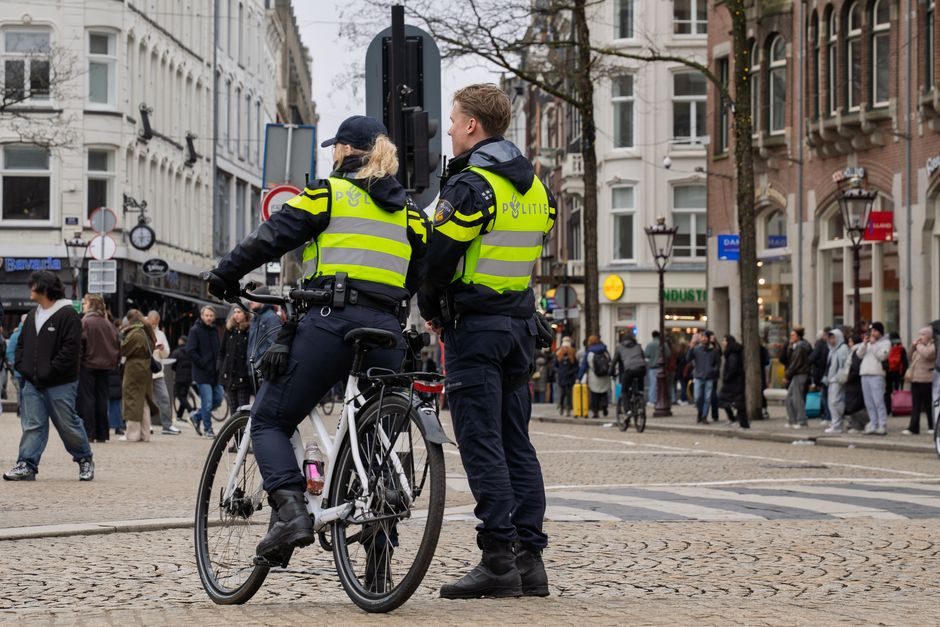
Crime prevention aims to reduce opportunities for offences and address risks before someone is harmed. Visible patrols, attention to public spaces and timely communication can help identify problems early, while residents can report broken lighting or repeated safety concerns through appropriate local channels. Prevention works best when it responds to specific conditions rather than treating every area alike.
Officers may use information from residents and previous incidents to decide where attention is needed. A report of repeated theft around a transport stop, for instance, can prompt patrols or a discussion about safer ways to manage the location. Such measures should be proportionate and reviewed, because a visible police presence alone does not prove that a problem has been solved.
Prevention also depends on trust. People are more likely to share useful information when they understand how it will be handled and believe they will be treated fairly. Police can build that confidence by explaining their actions, listening to local concerns and following up where possible, while communities can report facts without rumours or assumptions.
- Report specific locations and times.
- Describe observed behaviour, not assumptions.
- Use authorised channels for safety concerns.
- Avoid confronting people who may be involved.
Response and Investigation
When a possible offence is reported, police response can include attending the scene, protecting people from immediate danger and gathering information. Officers may speak with witnesses or preserve relevant evidence, depending on the circumstances. A report is the start of a process, not proof that a named person committed a crime.
Residents can help by giving a clear account of what they personally saw or heard, including when and where it happened. They should keep relevant messages or records intact rather than editing or posting them publicly. If someone faces immediate danger, seeking urgent help is more important than trying to collect evidence or investigate independently.
Investigation and enforcement must follow legal procedures, and a person suspected of an offence is not automatically guilty. Police reports and public discussion should distinguish confirmed facts from claims that have not been tested. That care protects investigations, reduces the risk of wrongful accusations and helps maintain confidence in the justice process.
The Main Approaches to Policing
Comparing Policing Approaches
Policing approaches differ in what they prioritise: visible enforcement, problem-solving or partnership with residents. A group comparing communications support for a public-safety campaign may consult a marketing agency directory, but policing choices themselves should be judged by their lawful purpose and effect. No single approach suits every local problem or circumstance.
A response focused on enforcement may be necessary when there is an immediate threat or a serious suspected offence. Problem-oriented policing instead looks for recurring conditions behind an issue, such as unsafe access points or repeated disputes in one place. Community-oriented work puts more emphasis on communication and cooperation, while still leaving legal powers with authorised officers.
These approaches can be combined, but they should not be confused. Listening to residents does not replace investigation, and enforcement does not resolve every underlying cause of repeat incidents. In Nigeria, local conditions vary, so a sensible approach considers the specific concern, the law, people’s rights and whether the response improves safety.
- Use enforcement for lawful, immediate needs.
- Look for recurring causes of local problems.
- Involve residents without transferring police powers.
| Approach | Main focus | Example |
|---|---|---|
| Enforcement | Addressing suspected offences | Responding to an immediate threat |
| Problem-oriented | Recurring causes of harm | Reviewing repeated incidents at one location |
| Community-oriented | Communication and cooperation | Discussing local concerns with residents |
Choosing a Suitable Response
A suitable policing response starts with the nature and urgency of the concern. A person facing immediate danger needs urgent assistance, while a recurring nuisance may call for a documented report and follow-up with the relevant authority. Matching the response to the problem helps avoid both unnecessary escalation and delays when serious harm is possible.
Officers and local partners should consider the likely impact on different residents, including people who may be vulnerable or less able to raise concerns. For example, repeated checks in a public area should have a clear purpose and follow legal safeguards. Explaining why an action is being taken can reduce confusion and support accountability.
Residents can also help assess whether a response is working by tracking practical changes, such as whether the reported hazard was addressed or whether further incidents occurred. They should share observations through appropriate channels and avoid drawing conclusions from a single event. Clear records make follow-up more useful and keep discussion grounded in evidence.
A first-hand account should make clear what the person actually observed, rather than repeat what someone else said.
Where Community Safety Information Comes From
Reliable Local Information
Useful community safety information comes from sources that can be checked, such as direct observations, official notices and communication with relevant authorities. Community groups preparing clear crime-prevention information may use cheap press release distribution to share it with local media. Before sharing any claim, confirm its source, location and context so that warnings do not become rumours.
A first-hand account should make clear what the person actually observed, rather than repeat what someone else said. Details such as the time, place and nature of a concern can help authorities assess it, but personal details about suspected individuals should not be circulated casually. Protecting privacy can prevent harm and reduce the risk of misidentification.
Official statements can help clarify an incident, but they may not answer every local question or be available immediately. Residents can compare a notice with other credible information and distinguish confirmed details from claims still under investigation. When information is uncertain, it is safer to say so than to present a guess as a fact.
- Check who first provided the information.
- Confirm the location and context.
- Separate direct observation from hearsay.
- Avoid publishing identifying details without a clear reason.
Reporting Concerns Safely
A clear report helps authorities understand what happened and decide what action is appropriate. State what you observed, where and when it occurred, and whether anyone appears to be in immediate danger. Keep the account factual, and make clear when a detail is uncertain or came from another person.
Use an appropriate official reporting route rather than confronting a suspected person or relying on a public social media post. If the concern involves an urgent threat, seek immediate assistance through the relevant emergency channel. For less urgent issues, keep a record of when the report was made and any response received.
Community groups can agree on a safe way to pass concerns to the appropriate authorities, while reminding members not to circulate names or accusations. This approach supports cooperation without exposing residents to confrontation or unfairly targeting someone. If a report does not resolve a recurring problem, provide updated facts and request guidance through proper channels.
How Public Agencies Can Share Safety Messages
Make Advice Clear and Usable
A public safety message should tell people what to do, where to get help, and how to check for updates. For example, a notice about a phone scam can name the warning signs and advise residents to contact their bank through an official number. Use direct language, short sentences, and translations suited to the intended audience.
Organisations publishing practical safety guidance may buy guest posts online to place it in relevant community publications. The key is to keep the information accurate and useful, whether it appears in a local outlet or an agency notice. Messages should identify the responsible public body and point readers towards a verified channel for further information.
Explain what is known and what remains uncertain, especially during an active incident. Avoid sharing details that could identify a victim, expose a witness, or interfere with an investigation. If advice changes, update the original notice where possible and state clearly what has changed so people do not rely on outdated instructions.
- State the action readers should take.
- Name an official contact channel.
- Use plain language and local translations.
- Update or correct earlier advice.
Coordinate Across Trusted Channels
When several agencies speak about the same incident, agreeing on basic facts helps prevent conflicting instructions. Police, local authorities, health services, and community leaders can confirm who will issue updates and which contact details are current. Each organisation should stay within its role and avoid presenting unverified reports as established facts.
Different channels reach different groups, so a single announcement may not be enough. A radio notice, community meeting, official social media account, and printed notice can reinforce the same advice for residents with different access needs. Keep the core message consistent, while adapting its format and language for each audience.
Give residents a way to ask questions or report that information is unclear. A public body can direct people to a staffed help line, local office, or verified account and explain when a response is likely. This makes communication more useful and helps agencies spot confusion before rumours or unsafe actions spread.
Common Problems in Policing

Build Trust Through Fair Treatment
People are less likely to share useful information if they expect disrespect, unfair treatment, or a breach of confidentiality. Officers can strengthen confidence by explaining why they are asking questions, listening without threats, and treating people consistently. Public bodies coordinating announcements across outlets may consider white label press release distribution when working through an agency.
Accountability also depends on clear procedures for complaints and follow-up. Residents should be able to learn where to raise concerns about an officer’s conduct and what information to provide. Agencies should record complaints, explain the next steps, and communicate outcomes through appropriate channels without disclosing private details about other people.
Trust can be damaged when authorities promise more than they can deliver or give no update after a report. A realistic explanation of what can be investigated, what evidence is needed, and when a person may hear back is more useful than a guarantee of a quick result. Clear communication does not replace fair action, but it helps people understand the process.
- Explain the reason for questions or searches.
- Provide a clear complaint route.
- Protect private information.
- Give realistic updates on next steps.
Address Limits and Unintended Harm
Policing can be constrained by limited staff, slow access to evidence, or unclear responsibility between agencies. These pressures may delay responses, but they do not remove the need to explain what is happening. A resident who knows which office is handling a report can follow up more effectively than one passed between agencies without guidance.
Poorly checked information can lead to wrongful suspicion or expose people to retaliation. A name, photograph, or accusation shared online is not proof of a crime, and repeating it can harm innocent people or an investigation. Residents should pass relevant information to authorised channels rather than publish allegations or confront a suspected person themselves.
Measures intended to prevent crime can also raise concerns about privacy and unequal treatment. Agencies should explain the purpose of surveillance or stop-and-search activity and follow the law and relevant procedures. Community feedback can help identify whether a measure is confusing, intrusive, or applied inconsistently, giving responsible bodies a reason to review how it works.
Ways Communities Can Support Safer Neighbourhoods
Share Information Responsibly
Community groups can help residents act on reliable safety advice by sharing verified notices through channels people already use. A community organisation seeking help placing a safety explainer could use a guest posting service to reach relevant readers. Before circulating any message, check its source, date, contact details, and whether an official update has replaced it.
- Verify safety notices before sharing them.
- Keep reports factual and specific.
- Leave enforcement to authorised officials.
People who witness a possible crime should report what they observed, not add guesses about motive or identity. Useful details may include the location, time, direction of travel, and a description of events. Keep notes factual, and avoid forwarding images or personal details to group chats where they could expose someone or distort an investigation.
Neighbourhood groups can agree on a simple process for passing urgent information to the appropriate authority. A named contact can direct residents to official emergency or non-emergency channels, while reminding them not to intervene in dangerous situations. This keeps community support focused on observation and communication rather than informal enforcement.
- Check messages against an official source.
- Report observations rather than assumptions.
- Do not post identifying details publicly.
- Use authorised reporting channels.
Reduce Everyday Opportunities for Crime
Residents and local businesses can reduce some risks by improving visibility and agreeing on practical routines. Keeping shared entrances lit, securing doors, and reporting broken streetlights can make it easier to notice problems. These steps do not guarantee that crime will be prevented, but they can address conditions that leave people or property more exposed.
Community safety works best when it includes people who may face different risks or barriers. Residents with disabilities, older people, market traders, and young people may notice different problems and need different ways to take part. Invite their views before setting priorities, and make meetings and reporting routes accessible where possible.
If a neighbourhood group organises a watch or meeting, set clear limits on its role. Members should not carry weapons, detain people, or label someone suspicious based on appearance. Share concerns with police or the relevant authority, and keep a record of agreed actions so the group can review whether its efforts remain safe and useful.
What to Consider When Reporting a Crime

Choose the Right Reporting Route
If someone faces immediate danger, use the available emergency channel or seek help from a nearby safe place before making a detailed report. For a non-urgent incident, contact the relevant police station or an official reporting channel and ask how to submit the information. Do not assume that a social media message has reached an officer who can respond.
- Mistake: posting an accusation online; better approach: report evidence through an authorised channel.
- Mistake: guessing details to complete a timeline; better approach: identify what you do not know.
- Mistake: confronting a suspected person; better approach: keep distance and seek official help.
When you report, give the clearest facts you can remember: what happened, where and when it occurred, who was involved if known, and whether anyone needs urgent assistance. Say which details you are unsure about rather than filling gaps with guesses. If you have messages, photographs, or other evidence, ask how to provide them safely.
Before leaving a station or ending a call, ask what happens next and how to follow up. Write down any reference details provided, the office or channel handling the report, and any instructions about evidence or contact. If you do not receive information about a next step, use the official route to request clarification rather than relying on informal intermediaries.
- Use emergency channels for immediate danger.
- Give facts and mark uncertainty clearly.
- Ask how to submit evidence.
- Record follow-up instructions.
Protect Yourself and Others
A report may contain sensitive details, so ask who will be able to access the information and how it will be handled. Share only what is relevant through the appropriate channel, and avoid sending identity documents or private records to an unverified contact. If you fear retaliation, tell the receiving officer and ask what protective steps or confidential options are available.
Preserve possible evidence without altering it or putting yourself at risk. Keep original messages where possible, note when an item was received, and follow instructions before deleting, forwarding, or editing anything. Do not enter a dangerous location to collect evidence, and do not handle an object that could be hazardous or connected to an offence.
If you are reporting on behalf of another person, explain your relationship to the incident and check what consent is appropriate before sharing private information. A witness can provide observations without claiming to speak for a victim. In cases involving a child or someone at immediate risk, seek help through the relevant official or safeguarding channel as soon as possible.
Frequently asked questions
Is policing in criminology limited to police officers?No. Criminology examines formal policing by state agencies as well as how other institutions and communities contribute to public safety. Police officers have legal powers and responsibilities that community groups do not, so the roles should not be confused. Studying policing means asking how these different actors prevent harm, respond to crime, and are held accountable.
What is the difference between crime prevention and crime response?Crime prevention aims to reduce opportunities for harm before an incident occurs, through measures such as public guidance, safer shared spaces, or targeted patrols. Crime response begins after a report or observed incident and may involve protecting people, recording information, investigating, and referring cases through the justice system. Both functions matter, and prevention does not remove the need for a fair response.
Can residents make an arrest or investigate a suspect?Residents should not try to conduct an investigation or confront a person they suspect of an offence. Such actions can put people at risk, interfere with evidence, or lead to a mistaken accusation. Instead, record what was observed if it is safe, report it through an authorised channel, and follow instructions from officials responsible for handling the matter.
What should I do if I am unsure whether an incident is a crime?You do not need to decide the legal classification before seeking guidance. Describe what happened as accurately as possible, explain what is uncertain, and contact the relevant official channel for advice or reporting. If anyone is in immediate danger, prioritise safety and use an emergency route. Avoid making public accusations while facts are being checked.
Turning Policing Knowledge Into Safer Practice
In criminology, policing is more than patrols or arrests: it includes how authorities prevent harm, respond to reports, communicate with the public, and answer for their conduct. For Nigerian communities, useful cooperation depends on clear information, fair treatment, and realistic expectations. Residents can contribute by sharing verified guidance and reporting observations, while leaving investigation and enforcement to authorised agencies.
Choose one practical next step: find the official police contact route for your area and keep it accessible, then share it with family or a community group. When an incident occurs, use that channel, provide factual details, and ask what follow-up to expect. These habits help people seek assistance safely and give public agencies clearer information to act on.

Add Nigeria News as a preferred source on Google


