The Golden Era and Its Legacy
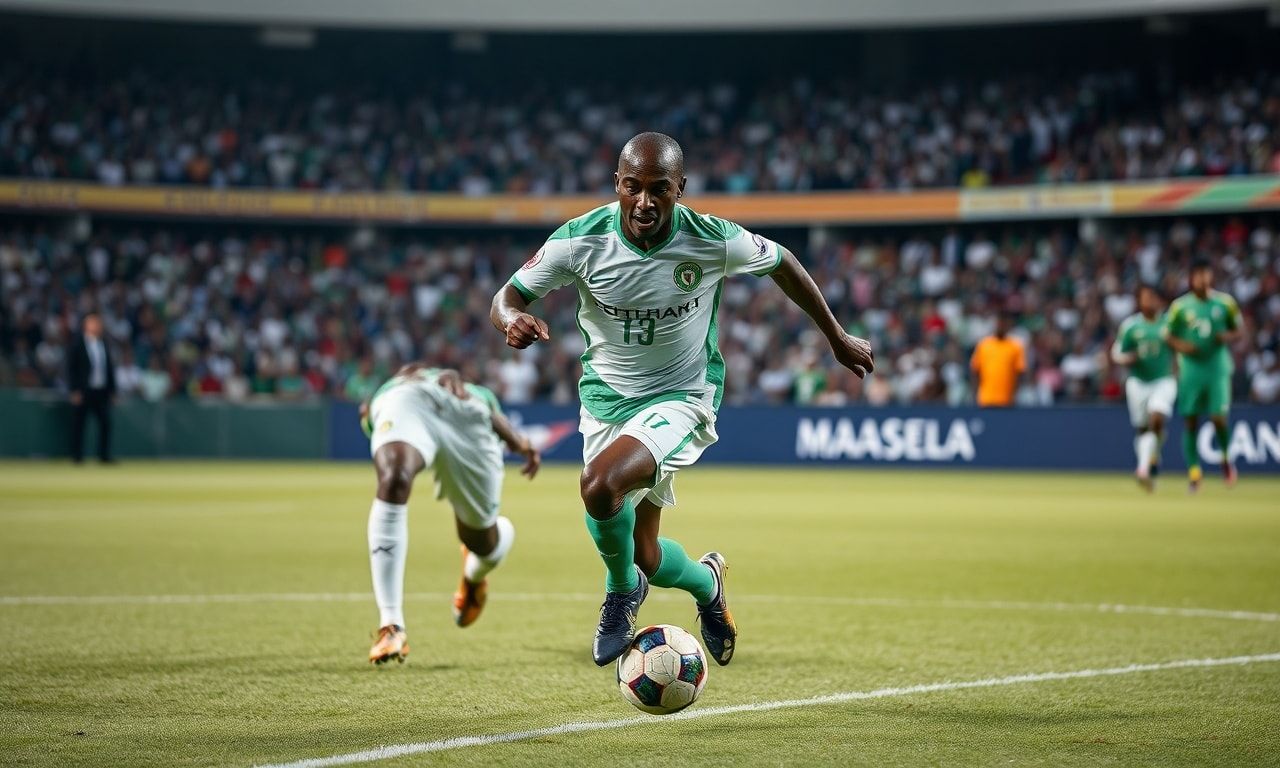
The Nigerian football scene has always been a vibrant tapestry of talent, passion, and resilience. The 1990s and early 2000s marked the golden era for the Super Eagles, with legendary players like Jay-Jay Okocha, Nwankwo Kanu, and Sunday Oliseh leading the charge. These icons not only brought glory to the nation but also inspired a generation of young footballers. The legacy of this era continues to influence the modern game, with many current players drawing inspiration from these footballing giants.
The Rise of New Talent
In recent years, Nigerian football has seen a resurgence of talent that is making waves both on the continent and internationally. Players like Victor Osimhen, Kelechi Iheanacho, and Wilfred Ndidi have become household names, thanks to their stellar performances in top European leagues. These athletes are not just excelling individually but also contributing significantly to their respective clubs and the national team. The emergence of these stars is a testament to the depth of talent in Nigerian football and the effective youth development programs in place.
Challenges and Triumphs
The journey of Nigerian football has not been without its challenges. From administrative issues to infrastructural deficiencies, the sport has faced numerous hurdles. However, the resilience of the players and the unwavering support of the fans have been instrumental in overcoming these obstacles. The Super Eagles’ qualification for major tournaments like the FIFA World Cup and the Africa Cup of Nations (AFCON) is a testament to the team’s determination and the country’s footballing prowess. The recent AFCON victory in 2013, where Nigeria defeated Burkina Faso in a thrilling final, remains a highlight in the nation’s footballing history.
Transfer News and Rumors
One of the most exciting aspects of Nigerian football is the constant buzz surrounding player transfers. The transfer news rumors update often feature Nigerian talents, with top European clubs keen on securing their services. The movement of players between clubs not only brings financial benefits but also raises the profile of Nigerian football on the global stage. The recent transfer of Victor Osimhen to Napoli for a record fee is a prime example of how Nigerian players are making their mark in the European leagues.
The Future of Nigerian Football
The future of Nigerian football looks bright, with a new generation of players ready to take the mantle. The focus on grassroots development and the establishment of academies across the country is crucial in nurturing young talent. Additionally, the Nigerian Football Federation (NFF) has been working tirelessly to improve the infrastructure and administrative aspects of the game. With continued support from fans, improved facilities, and effective management, Nigerian football is poised for even greater heights. The dream of winning another AFCON title and making a significant impact in the FIFA World Cup is very much alive.
Key Players to Watch
As we look ahead, several young players are making waves and are poised to become the next big things in Nigerian football. Some key players to watch include:
- Samuel Chukwueze: The Villarreal winger has been impressive in the Spanish La Liga and is a key player for the Super Eagles.
- Ademola Lookman: The RB Leipzig forward has shown great potential and is a valuable asset to the national team.
- Ola Aina: The Torino full-back has been a consistent performer and is crucial to the defense of the Super Eagles.
- Joseph Ayodele-Aribo: The Rangers midfielder has been in fine form and is a rising star in Nigerian football.
Conclusion
The evolution of Nigerian football is a story of resilience, triumph, and unwavering passion. From the golden era to the present day, the Super Eagles have continued to inspire and excite fans both at home and abroad. With a focus on youth development, improved infrastructure, and effective management, the future of Nigerian football is brighter than ever. As we celebrate the past achievements, we also look forward to the next chapter of this exciting journey.
Discover the inspiring story of Pakistani sports and its athletes’ relentless spirit through Pakistan’s athletic journey, a testament to resilience and triumph.
If you’re eager to learn from the best, don’t miss our feature on Norway’s top athletes who have competed on the world stage.
Dive into the heart of football fandom with our latest piece, why we love our teams, and explore the emotional rollercoaster that comes with supporting your favorite club.