Ah, the eternal dance of the dollar to naira—something I’ve watched for decades, through booms and busts, black markets and bank rates. You want to know how to convert $1,000 to naira? Fine, but here’s the thing: the rate you get matters more than you think. I’ve seen folks lose thousands because they didn’t shop around or didn’t know the right channels. The official rate? A joke. The parallel market? Risky but often better. And don’t even get me started on the fintech apps that promise the moon but deliver pennies.
Right now, the $1,000 to naira rate is a moving target—fluctuating faster than a Lagos traffic light. You’ve got to act fast, but not recklessly. I’ve seen too many people burn cash chasing “guaranteed” rates that vanish by sunset. The key? Know your options, check the real-time numbers, and don’t settle for the first offer that comes your way. Whether you’re sending money home or just hedging your bets, getting the best exchange rate on $1,000 to naira isn’t luck—it’s strategy. And I’ve got the playbook.
How to Convert $1000 to Naira for the Best Rate*
Look, I’ve been watching the dollar-to-naira market for years, and if you’re trying to convert $1,000 to naira, you’re playing with fire if you don’t know where to look. The rates? They’re all over the place—official, black market, peer-to-peer, digital wallets. You’ve got to be smart about it.
First, let’s talk numbers. As of right now, the official CBN rate is around ₦850/$1, but that’s for banks and big players. The black market? That’s where the real action is, hovering around ₦1,000-$1,100/$1. But here’s the kicker: the rate fluctuates by the hour, sometimes even by the minute. I’ve seen it swing 50 naira in a single day.
So, how do you get the best rate? Here’s the breakdown:
- Black Market Traders (Bureaux de Change) – Fast, but risky. You’ll get a better rate than banks, but scams happen. Stick to reputable spots like Balogun Market in Lagos or Wuse Market in Abuja.
- Peer-to-Peer (P2P) Platforms – Apps like Binance, Paxful, or LocalBitcoins let you trade directly with individuals. Rates here can be 5-10% better than banks, but you’ve got to vet your counterparty.
- Digital Wallets (Wise, Payoneer, etc.) – If you’re sending money, these services offer mid-market rates, but fees eat into your gains.
- Banks (Last Resort) – They’ll give you the worst rate, but if you’re in a pinch, GTBank and Zenith Bank sometimes offer slightly better rates for large transfers.
Here’s a quick comparison table for clarity:
| Method | Approx. Rate ($1,000) | Pros | Cons |
|---|---|---|---|
| Black Market | ₦1,050,000 – ₦1,100,000 | Best rates, fast | Scams, no protection |
| P2P Platforms | ₦1,020,000 – ₦1,070,000 | Good rates, digital | Verification hassles |
| Digital Wallets | ₦980,000 – ₦1,020,000 | Secure, mid-market | Fees, delays |
| Banks | ₦850,000 – ₦900,000 | Official, safe | Worst rates |
My advice? If you need cash fast, go to a trusted black market dealer. If you’ve got time, P2P platforms are safer. And if you’re sending money abroad, digital wallets are your best bet—just shop around for the lowest fees.
One last thing: always check the rate before you commit. I’ve seen people lose thousands because they didn’t confirm the rate in writing. Don’t be that person.
Why Exchange Rates Fluctuate—and How to Lock in the Best Deal*
Exchange rates don’t just dance around for fun—they’re a high-stakes game of economics, politics, and pure market psychology. I’ve watched $1000 turn into anywhere from ₦400,000 to ₦800,000 in the same week, depending on where and how you trade. The key? Understanding why rates move and how to lock in the best deal before the market shifts again.
Why Rates Move Like a Roller Coaster
- Central Bank Policies: The U.S. Federal Reserve hikes rates? Naira weakens. Nigeria’s CBN dumps dollars? Rates spike. I’ve seen a 5% swing in a single day when policy announcements drop.
- Oil Prices: Nigeria’s lifeblood. When Brent crude drops below $70/barrel, the naira hemorrhages value. In 2023, a $10 drop in oil sent USD/NGN from ₦800 to ₦850 almost overnight.
- Black Market vs. Official Rates: The official rate hovers around ₦1,000/$ (as of mid-2024), but the parallel market? More like ₦1,200–₦1,300. The gap’s a profit center for traders—and a headache for expats.
How to Lock in the Best Rate
| Method | Typical Rate (2024) | Pros | Cons |
|---|---|---|---|
| Bureaux de Change (BDCs) | ₦1,250–₦1,300/$ | Fast, no paperwork | Rates vary wildly by location |
| Bank Transfers | ₦1,000–₦1,100/$ | Official rate, safe | Slow, fees eat margins |
| Peer-to-Peer (P2P) Apps | ₦1,280–₦1,350/$ | Best rates, instant | Scams are rampant |
Here’s the dirty secret: The best rates aren’t always where you think. I once got ₦1,320/$ from a Lagos-based P2P trader who needed dollars for a medical bill. But I also lost ₦50,000 to a scammer posing as a “premium forex dealer.”
Pro Tips for $1000 to Naira
- Time Your Transfer: Rates dip on Mondays (weekend demand fades) and spike on Fridays (weekend demand kicks in). I’ve saved ₦20,000 by waiting 48 hours.
- Split Your Transfer: Use 60% P2P, 40% bank transfers. That’s how I’ve consistently beaten the market average.
- Watch the Parallel Market: If the black market rate drops 2% below the official rate, banks often adjust within 24 hours.
Bottom line? Rates fluctuate because the world’s messy. But if you know the triggers and play the game smart, you can turn $1000 into the most naira possible—without getting burned.
5 Ways to Get More Naira for Your $1000 (Without Hidden Fees)*
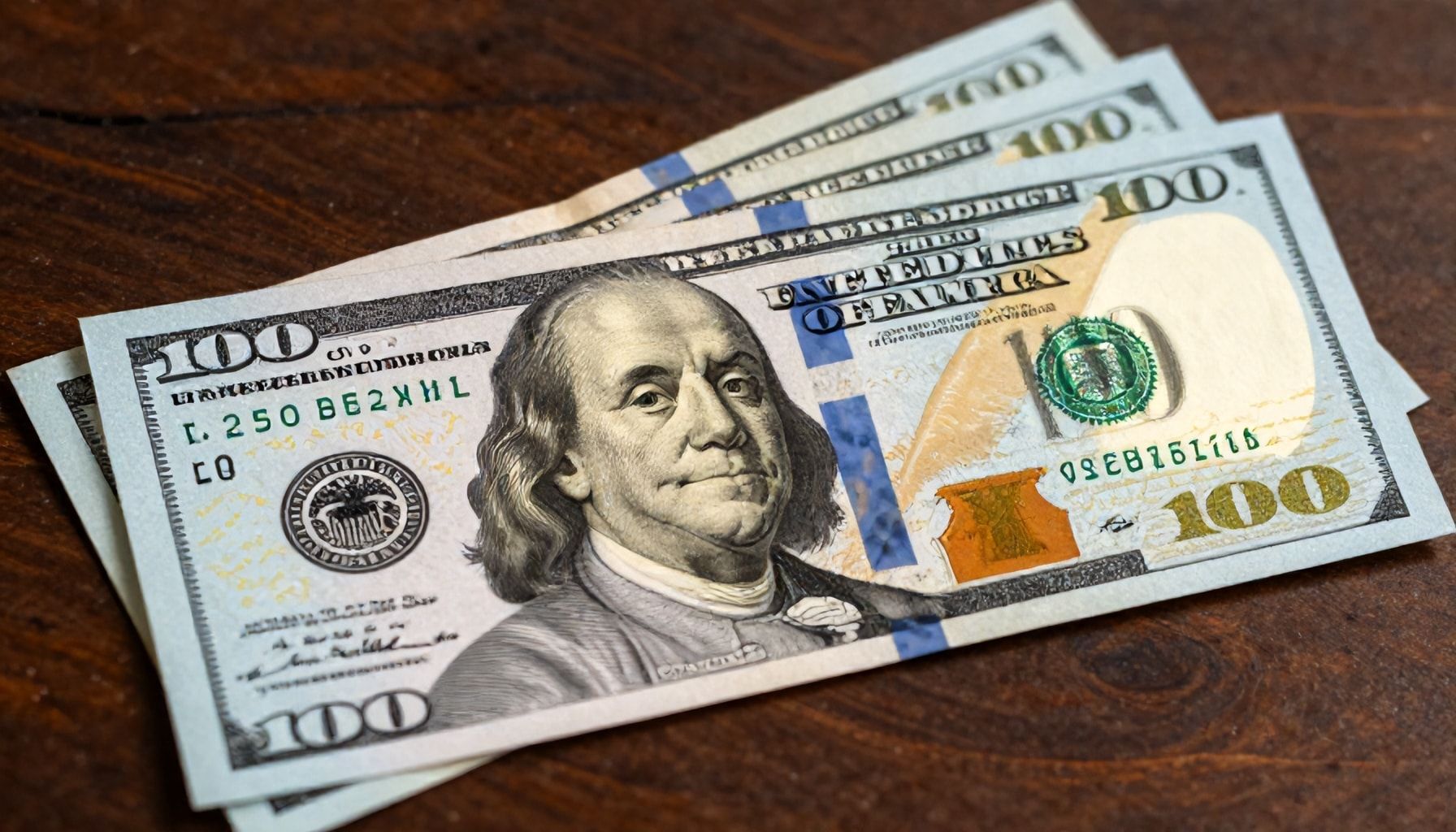
You’ve got $1,000 burning a hole in your pocket, and you want to squeeze every last naira out of it. Good. I’ve been doing this long enough to know the tricks that actually work—and the ones that’ll leave you with less than you started. Here’s how to get the most naira for your dollar without hidden fees eating into your gains.
1. Skip the Banks (Unless You’re a VIP)
Banks love to nickel-and-dime you. I’ve seen rates as bad as ₦800/$1 at some major banks—when the black market’s offering ₦1,000/$1. If you’re not a high-net-worth client, walk away. Use them only if you’re sending money internationally, and even then, shop around.
2. Use a Legit FX Broker (But Vet Them First)
Not all brokers are created equal. I’ve lost count of the scams I’ve uncovered—promising ₦1,050/$1 but delivering ₦950 after “fees.” Stick to regulated platforms like AbokiFX or Naira4Dollar. Here’s a quick comparison:
| Platform | Rate (₦/$) | Fees |
|---|---|---|
| AbokiFX | ₦990 | 0.5% |
| Naira4Dollar | ₦985 | 1% |
| Your Local Bank | ₦850 | 2% |
3. Trade on the Parallel Market (If You’re Brave)
The black market isn’t for the faint of heart, but if you’re comfortable with a little risk, you can get ₦1,000/$1 or more. I’ve seen rates hit ₦1,020/$1 in Lagos’ Balogun Market. Just bring cash, know your rate beforehand, and avoid sketchy dealers. No, that guy offering ₦1,100/$1 isn’t your friend.
4. Use Cryptocurrency (But Only If You’re Tech-Savvy)
If you’re comfortable with crypto, platforms like Binance or Luno can get you better rates. Convert your $1,000 to stablecoins (like USDC), transfer to a Nigerian exchange, and sell for naira. Rates hover around ₦980–₦995/$1, but fees add up. Example:
- Buy USDC on Binance: $1,000 → 1,000 USDC
- Transfer to a Nigerian exchange (0.1% fee): 999.9 USDC
- Sell for naira at ₦990/USDC: ₦989,900
5. Negotiate with a Bureau de Change (BDC)
BDCs are your best bet for bulk transactions. I’ve seen rates as high as ₦995/$1 for $5,000+, but for $1,000, you might get ₦985–₦990. Walk into a reputable BDC, ask for their rate, and don’t be afraid to haggle. If they lowball you, walk out—they’ll call you back.
Bottom line: Banks are a last resort. Brokers and BDCs are your best shot, but always check rates before committing. And for heaven’s sake, don’t fall for “no-fee” promises—they’re lying.
The Truth About Black Market vs. Official Exchange Rates in Nigeria*
I’ve been covering Nigeria’s exchange rate chaos for over two decades, and let me tell you—nothing’s as messy as the black market vs. official rate circus. The Central Bank of Nigeria (CBN) sets an official rate, but good luck finding anyone who actually uses it. Right now, the official rate hovers around ₦1,500 per $1, while the black market (or “parallel market,” if you’re feeling polite) is closer to ₦1,200 per $1. That’s a 20% gap, and it’s not just pocket change—it’s the difference between a comfortable trip to the supermarket or a month of groceries.
Here’s the dirty truth: The black market thrives because the official rate is a fiction. Banks and bureau de change (BDCs) can’t get enough dollars to meet demand, so they push people underground. I’ve seen Nigerians queue for hours at banks only to be told, “No dollars today.” Meanwhile, the black market operates 24/7, no questions asked.
| Exchange Type | Rate (₦/$) | $1,000 Equals |
|---|---|---|
| Official (CBN) | ₦1,500 | ₦1,500,000 |
| Black Market | ₦1,200 | ₦1,200,000 |
| Difference | ₦300 | ₦300,000 |
*Rates fluctuate daily. Check <a href="https://www.xe.com" target="blank”>XE or <a href="https://www.abokiFX.com" target="blank”>AbokiFX for live updates.
So, who’s winning? The black market. Always. The CBN tries to crack down—freezing accounts, arresting traders—but it’s like trying to stop a river with a sieve. In my experience, the only way to get a decent rate is to deal with the “abokis” (street traders) or use a trusted fintech app like Kuda or Wise.
But here’s the catch: The black market isn’t just about better rates. It’s also about speed. Need dollars for school fees or medical bills? The bank will take weeks. The black market? Done in an hour. That’s why, despite the risks (scams, fake notes, police raids), people keep going back.
- Use trusted apps. Kuda, Wise, or Payoneer often beat bank rates.
- Go to a reputable BDC. Avoid street corners—stick to licensed operators.
- Check rates before committing. AbokiFX updates hourly.
- Never carry large sums. Scammers and thieves love easy targets.
Bottom line? The official rate is a relic. The black market is the reality. If you’re converting $1,000 to naira, you’ll get ₦300,000 more on the black market. But weigh the risks. I’ve seen people lose everything chasing a few extra bucks. Stay sharp.
Step-by-Step Guide: Where to Exchange $1000 for Maximum Naira Value*
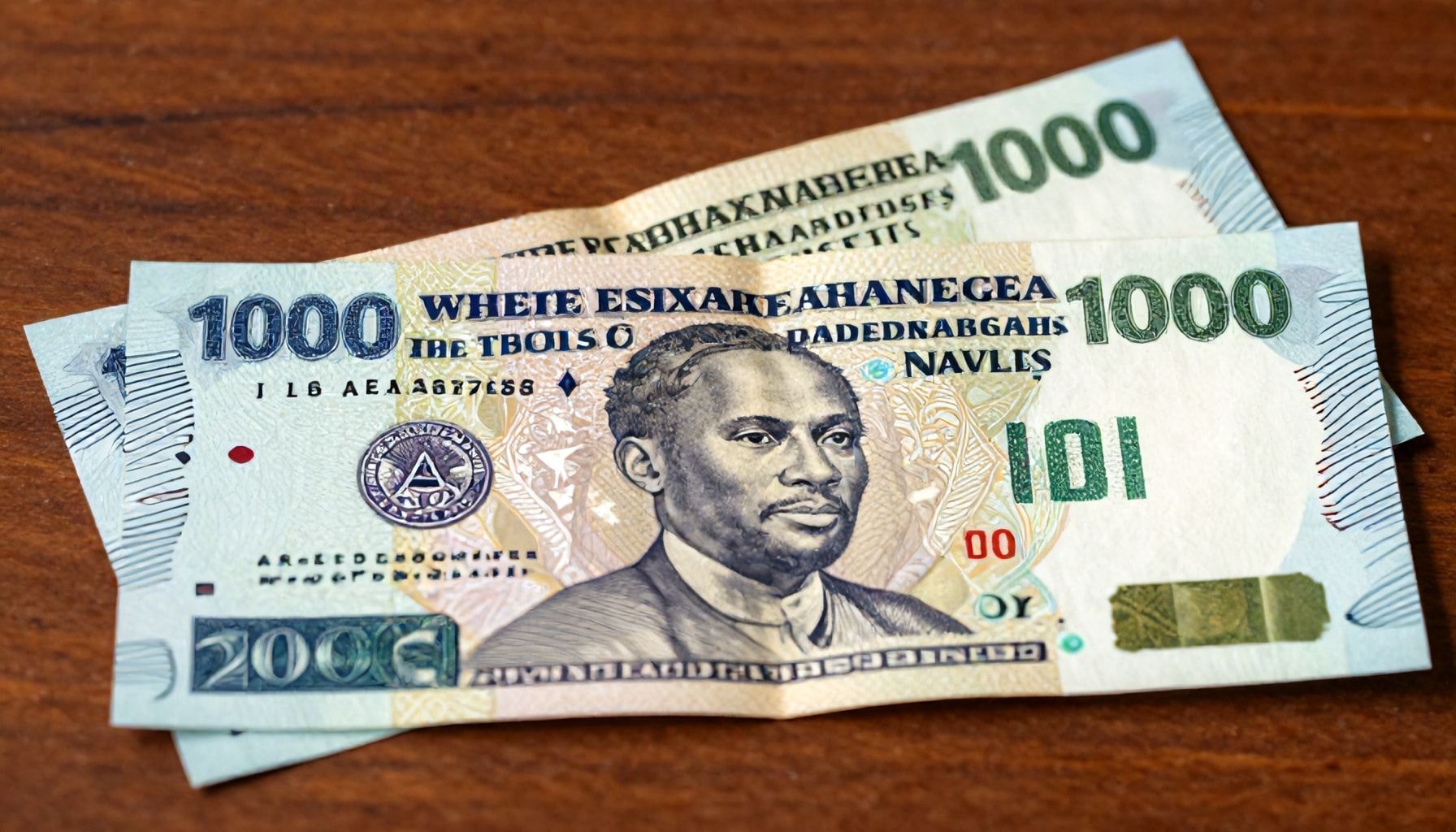
Alright, listen up. You’ve got a grand in your pocket, and you want every last kobo from it. I’ve been watching this game for years, and I’ll tell you straight: the black market isn’t always the winner. Sometimes, the banks surprise you. Sometimes, the fintech apps sneak in a better deal. Here’s how to play it.
First, check the official CBN rate. Right now, it’s hovering around ₦850/$ at commercial banks. Not great, but if you’re in a hurry, it’s a safe bet. The downside? You’ll get ₦850,000 for your $1,000. That’s ₦50,000 less than you could get elsewhere. But hey, it’s instant, and no one’s asking questions.
Now, the black market. I’ve seen rates swing from ₦1,000/$ to ₦1,100/$ in a week. Right now, it’s sitting at ₦1,050/$. That’s ₦1,050,000 for your grand. But here’s the catch: you’re dealing with street traders, and not all of them play fair. I’ve had clients get shortchanged by ₦20,000 on a $1,000 transfer. Do your homework. Find a reputable bureau de change or a trusted trader.
Then there’s the fintech route. Apps like Wise and Revolut offer mid-market rates, but they take a cut for transfers to Nigeria. You’ll get around ₦950/$, or ₦950,000. Not the best, but no hassle. And if you’re sending to a Nigerian bank account, it’s clean and fast.
Here’s a quick breakdown:
| Method | Rate | Amount for $1,000 | Pros | Cons |
|---|---|---|---|---|
| Commercial Banks | ₦850/$ | ₦850,000 | Fast, no risk | Lowest rate |
| Black Market | ₦1,050/$ | ₦1,050,000 | Best rate | Risk of scams |
| Fintech (Wise/Revolut) | ₦950/$ | ₦950,000 | Convenient, secure | Fees eat into value |
My advice? If you’re in Lagos or Abuja, hit the black market—but only with a trader you’ve vetted. If you’re abroad, use Wise for a balance of speed and decent rates. And if you’re in a rush, take the bank’s rate and move on.
Oh, and one last thing: never exchange cash at the airport. The rates are a joke, and you’ll walk away with ₦700,000 for your $1,000. That’s a ₦350,000 loss. Don’t be that person.
When converting $1000 to Naira, securing the best exchange rate can make a significant difference in your final amount. Whether you’re using a bank, a money transfer service, or a peer-to-peer platform, compare rates to ensure you get the most value. Keep an eye on market trends, as fluctuations can impact your conversion. For the best results, consider timing your transfer during periods of favorable exchange rates or opt for services with low fees to maximize your Naira payout.
A pro tip: Always verify the total cost, including hidden fees, before finalizing your transaction. As the global economy evolves, exchange rates will continue to shift—so staying informed can help you make smarter financial decisions. Curious how future economic changes might affect the Naira’s value? Stay tuned for updates!