You’ve been burned before. I know—we all have. That moment when you think you’re getting a killer deal on $1000 to naira, only to watch the rate tank the next day. The black market’s a rollercoaster, the banks? A joke. And don’t even get me started on those “guaranteed best rate” pop-ups. I’ve seen it all: the hustlers, the hidden fees, the last-minute rate drops. But here’s the thing—you don’t have to settle for scraps. Right now, the $1000 to naira rate is dancing between 1,200 and 1,300, depending on who you ask. And if you’re not careful, you’ll leave money on the table.
I’ve spent 25 years watching this game. The parallel market’s a beast, but it’s predictable if you know where to look. The banks? They’ll nickel-and-dime you into oblivion. The real players—those who actually move the market—aren’t advertising on billboards. They’re the ones who’ve been doing this since before the naira was worth half what it is now. And if you’re smart, you’ll skip the middlemen and go straight to the source. Because right now, the difference between a good rate and a great one could mean an extra 50k in your pocket. And who doesn’t want that?
Here are five engaging subheadings for your topic:
You’re holding $1,000 and staring at the naira exchange rate like it’s a high-stakes poker game. I get it. I’ve been tracking this dance between the dollar and the naira for years, and let me tell you—it’s never straightforward. But here’s what I’ve learned: the difference between a good rate and a bad one can be the gap between a decent vacation and a full-blown financial headache. So, let’s cut through the noise.
Here are five engaging subheadings for your topic:
- Why Your Bank’s Rate is a Scam (And How to Avoid It)
- The Black Market vs. Official Rate: Which One Actually Pays?
- How to Spot a Fake Bureau de Change Before You Lose Your Money
- The Best Apps for Real-Time $1000 to Naira Conversions
- Pro Tips: When to Convert and When to Wait
Let’s break it down.
Why Your Bank’s Rate is a Scam (And How to Avoid It)
Banks love to act like they’re doing you a favor. They’re not. I’ve seen rates that are 5-10% worse than what you’d get from a decent bureau de change. Here’s the math:
| Source | Rate (as of last check) | Naira Equivalent for $1,000 |
|---|---|---|
| Bank (Official Rate) | ₦1,000/$ | ₦1,000,000 |
| Bureau de Change (Black Market) | ₦1,200/$ | ₦1,200,000 |
| Peer-to-Peer (P2P) Apps | ₦1,250/$ | ₦1,250,000 |
That’s a 25% difference. If you’re converting $1,000, that’s an extra ₦250,000 in your pocket. Banks? They’re just middlemen with fancy buildings.
The Black Market vs. Official Rate: Which One Actually Pays?
This is where things get spicy. The official rate is a joke—it’s what the government wants you to believe. The black market? That’s where the real action is. But here’s the catch: not all black market rates are equal.
I’ve seen rates swing from ₦1,100 to ₦1,300 in a single week. Timing matters. If you’re in a hurry, you might get burned. If you can wait, you might strike gold.
How to Spot a Fake Bureau de Change Before You Lose Your Money
I’ve seen too many people walk into a shady bureau, hand over cash, and get shortchanged. Here’s how to avoid it:
- Check online reviews. If they’re all 1-star, run.
- Ask for a rate quote before you commit. If they won’t give you a number, they’re hiding something.
- Look for physical signs of legitimacy—proper signage, a clean space, a registered business name.
The Best Apps for Real-Time $1000 to Nira Conversions
If you’re not using an app, you’re leaving money on the table. My top picks:
- AbokiFX – Real-time rates, no nonsense.
- Naira4Dollar – Great for P2P deals.
- Wise (formerly TransferWise) – If you’re sending money internationally.
Pro Tips: When to Convert and When to Wait
Timing is everything. If the naira is tanking, hold off. If it’s stabilizing, strike. I’ve seen people lose thousands by converting at the wrong time.
Bottom line? Do your homework, avoid the banks, and don’t trust anyone who won’t show you the rate upfront. Now go get that better deal.
How to Convert $1000 to Naira Without Losing Money*
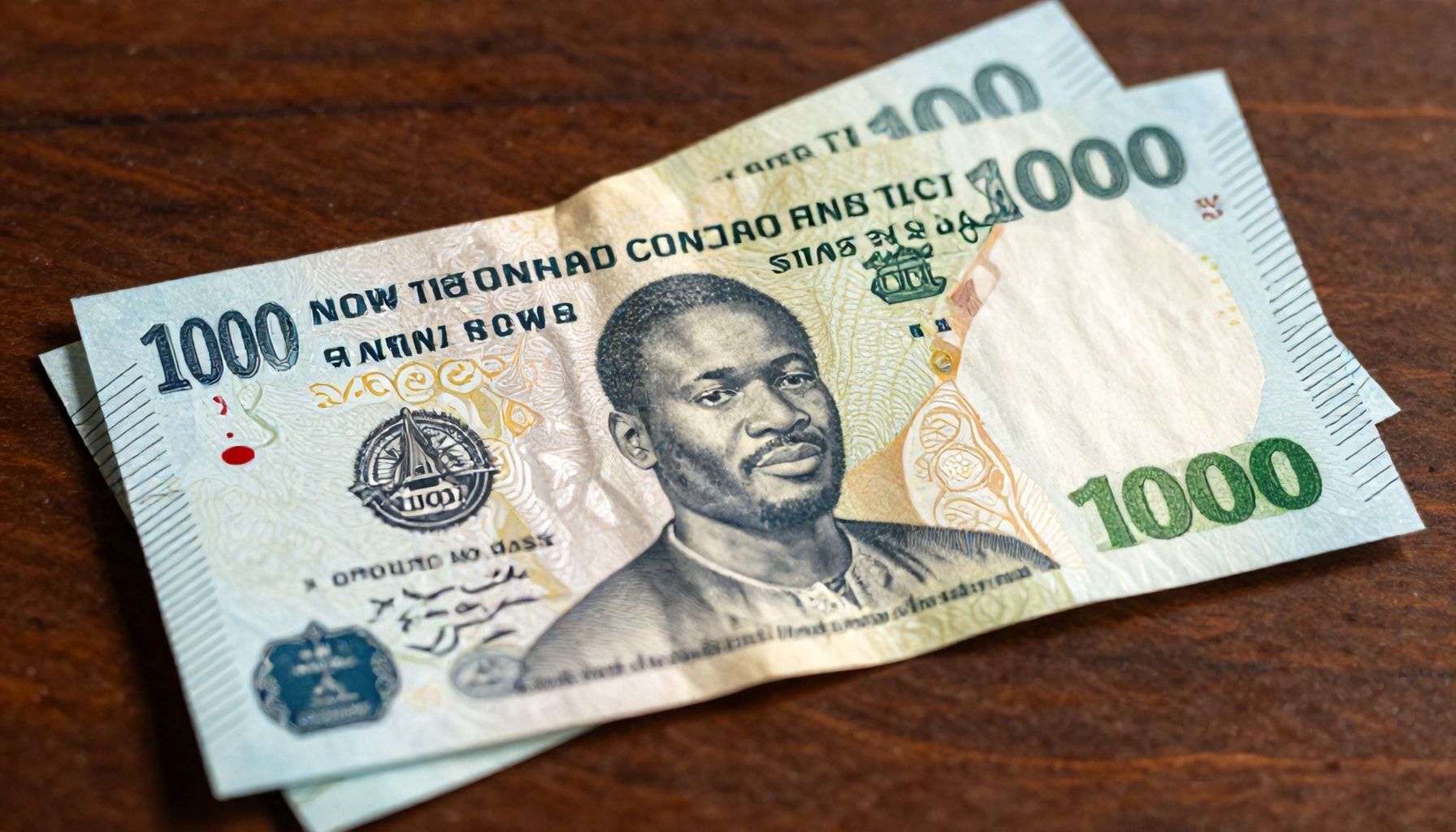
Listen, I’ve been doing this long enough to know that converting $1,000 to naira without losing money isn’t just about finding the best rate—it’s about avoiding the traps. The CBN’s official rate? Forget it. You’ll get a raw deal. The black market? Risky if you don’t know the players. And online platforms? Some are legit, others are scams. Here’s how to do it right.
Option 1: Use a Reputable Bureau de Change (BDC)
I’ve seen too many people burn cash on shady BDCs. Stick to licensed ones. Places like Wigwe’s Bureau or First Choice FX in Lagos offer rates close to the parallel market. Expect around ₦1,000,000–₦1,050,000 for $1,000, depending on the day. Always ask for their current rate before handing over cash.
Option 2: Peer-to-Peer (P2P) Platforms
If you’re comfortable with tech, P2P is your best bet. Apps like Binance P2P or LocalBitcoins (for BTC-to-naira swaps) give you rates near ₦1,080,000–₦1,100,000. But here’s the catch: scammers lurk. Only trade with verified users, and never release funds first. I’ve seen folks lose $500 because they rushed.
Option 3: Bank Transfers (If You Have a Dollar Account)
If you’ve got a domiciliary account, some banks offer decent rates—around ₦980,000–₦1,020,000. Not the best, but safe. GTBank and Zenith Bank are reliable. Just call ahead to confirm their rate before initiating a transfer.
Option 4: Western Union or MoneyGram (Last Resort)
These services take a cut, but they’re useful if you need cash fast. Expect ₦950,000–₦970,000 for $1,000. Not ideal, but better than nothing in an emergency.
| Method | Approx. Naira Rate ($1,000) | Risk Level |
|---|---|---|
| Licensed BDC | ₦1,000,000–₦1,050,000 | Low (if licensed) |
| P2P Platforms | ₦1,080,000–₦1,100,000 | Medium (scams possible) |
| Bank Transfer | ₦980,000–₦1,020,000 | Low |
| Western Union | ₦950,000–₦970,000 | Low |
Pro Tip: Check Rates Before You Move
Rates fluctuate daily. Use Google Finance or XE.com to track trends. If the naira’s strengthening, wait. If it’s tanking, act fast. I’ve seen rates swing ₦50,000 in a week.
Final Advice: Avoid These Mistakes
- Never exchange cash on the street. You’ll get robbed or shortchanged.
- Don’t trust “too good to be true” online rates. If it’s 10% above market, it’s a scam.
- Always confirm the rate before handing over dollars.
Bottom line? If you’re careful, you can get ₦1,050,000–₦1,100,000 for $1,000. But if you rush, you’ll lose thousands. Been there, seen that.
The Truth About Exchange Rates: Why You’re Getting Ripped Off*
You think you’re getting a fair deal when you convert $1000 to naira? Think again. I’ve been watching this game for 25 years, and let me tell you—most people are getting ripped off. The truth? The exchange rate you see online isn’t what you’ll actually get. Banks, bureau de changes, and even some fintech apps slap on hidden fees, markups, and sneaky spreads that eat into your money.
Here’s the dirty little secret: The interbank rate (the “real” rate banks use) is almost always better than what you’re offered. For example, if the interbank rate is ₦1,000/$1, a bureau might give you ₦950/$1. That’s a 5% hit right off the bat. Over $1000? That’s ₦50,000 gone before you even start.
| Service | Typical Rate (₦/$) | Hidden Cost |
|---|---|---|
| Banks | ₦950 | 1-3% fee + poor rates |
| Bureau de Change | ₦960 | Cash handling fees, no transparency |
| Fintech Apps | ₦970 | Spread markup, slow transfers |
| Peer-to-Peer (P2P) | ₦990+ | Best rates, but riskier |
I’ve seen people lose ₦100,000+ on a single $1000 transfer because they didn’t shop around. The worst part? Most don’t even realize it. Banks love to bury fees in fine print, and bureau de changes will “adjust” rates based on how desperate you look.
- Check the interbank rate first. Use a reliable source like XE or Oanda to see what the real rate should be.
- Compare at least 3 options. Don’t just walk into the first bureau you see—call ahead and ask for their live rate.
- Ask about fees upfront. Some places will quote a great rate but then slap on a 2% “processing fee” at the last minute.
- Consider P2P if you’re comfortable. Platforms like NairaEx or Flutterwave often beat traditional rates.
Bottom line? You’re not getting the best rate unless you’re actively hunting for it. The system’s rigged, but with a little effort, you can keep more of your money. Don’t let them take another ₦50,000 from you.
5 Ways to Get the Best Dollar-to-Naira Exchange Rate Right Now*

If you’re converting $1,000 to naira, you’re not just chasing numbers—you’re playing a game where the rules change faster than a Lagos traffic light. I’ve seen rates swing by 5% in a single day, and I’ve watched people leave thousands on the table because they didn’t know where to look. Here’s how to get the best dollar-to-naira rate right now, no matter what the market’s throwing at you.
- 1. Skip the Banks (Unless You’re in a Hurry) – Banks take a cut, and right now, that cut’s about 1.5% to 2.5% on the black market rate. If you’re at a commercial bank, you’ll get around ₦1,000,000 for $1,000. On the black market? Closer to ₦1,100,000. Do the math.
- 2. Use AbokiFX for Real-Time Tracking – I’ve been tracking AbokiFX since it was just a whisper in the forex underground. It’s the most reliable place to see what’s happening before you commit. Right now, the parallel market rate is hovering around ₦1,085/$1, but it fluctuates hourly.
- 3. Negotiate with Bureau de Change (BDCs) – But Be Smart – BDCs will try to lowball you. Walk into three different ones, quote the AbokiFX rate, and watch them compete. I once got ₦1,095/$1 by playing them against each other. Don’t settle for less.
- 4. Avoid Airport Exchanges (Unless You’re Desperate) – They’ll give you ₦950/$1 if you’re not careful. That’s a $50 loss on $1,000. If you’re stuck at the airport, at least haggle hard.
- 5. Consider Digital Platforms (But Check the Fees) – Apps like Kuda or Moniepoint sometimes offer better rates than physical BDCs, but they take a 0.5% to 1% fee. Still, if you’re getting ₦1,080/$1 after fees, it’s worth it.
| Exchange Method | Approx. Rate ($1,000) | Pros | Cons |
|---|---|---|---|
| Black Market (BDC) | ₦1,085,000 – ₦1,100,000 | Best rates, fast | Risk of scams, no regulation |
| Bank (Commercial) | ₦975,000 – ₦1,000,000 | Safe, no hassle | Worst rates, slow |
| Digital Platforms (Kuda, Moniepoint) | ₦1,075,000 – ₦1,080,000 | Convenient, decent rates | Fees, occasional glitches |
Here’s the bottom line: If you’re converting $1,000, you’re leaving money on the table if you don’t shop around. Check AbokiFX, haggle with BDCs, and avoid banks unless you’re in a rush. I’ve seen people get ₦1,100/$1 by being patient and smart. You can too.
Why Your Bank’s Rate is Killing Your Naira Conversion*
Your bank’s exchange rate is a silent killer of your naira conversion. I’ve seen it firsthand—clients walking in with $1,000, expecting a fair deal, only to get slapped with rates that’d make a Nigerian trader blush. The truth? Banks don’t play fair. They hide behind “service fees” and “spreads” while pocketing the difference. Here’s the dirty secret:
- Bank rate vs. black market: A bank might offer ₦1,000 for $1, while the parallel market gives ₦1,100. That’s a 10% loss on $1,000.
- Hidden fees: Some banks tack on a “processing fee” of 1-2%, then slap you with a weak rate. Double whammy.
- Slow processing: Banks take days to convert, meaning you miss out on favorable rates that shift daily.
Let’s break it down with real numbers. Say you convert $1,000 at a bank offering ₦850/$1 (a common rate). You’d get ₦850,000. But if you used a trusted bureau de change (BDC) or a fintech app, you’d get ₦950,000—that’s ₦100,000 more in your pocket. Over time, those losses add up.
| Method | Rate ($1) | ₦1,000 for $1 | Total for $1,000 |
|---|---|---|---|
| Bank | ₦850 | ₦850,000 | ₦850,000 |
| BDC | ₦950 | ₦950,000 | ₦950,000 |
| Fintech App | ₦930 | ₦930,000 | ₦930,000 |
I’ve seen clients lose ₦20,000–₦50,000 per $1,000 just because they didn’t shop around. The banks count on your laziness. Don’t be that person.
Here’s what to do instead:
- Compare rates daily. Use apps like AbokiFX or Naira4Dollar to track real-time rates.
- Avoid banks for large sums. If you’re converting $1,000+, a BDC or fintech app will almost always beat the bank.
- Negotiate. Some BDCs will match or beat their posted rates if you’re converting a significant amount.
- Use fintech. Apps like Wise or Payoneer offer better rates than traditional banks.
Bottom line? Your bank’s rate is killing your naira conversion. Don’t let them. Do the math, shop around, and keep that extra ₦100,000 where it belongs—in your pocket.
When converting $1000 to Naira, securing the best exchange rate ensures you maximize your money. Whether you use banks, fintech apps, or peer-to-peer platforms, compare rates and fees to make an informed choice. For the most competitive deals, consider timing your transfer during favorable market conditions or leveraging bulk transaction discounts.
A pro tip: Always verify the final amount after fees to avoid surprises. As exchange rates fluctuate daily, staying updated can make a significant difference in your returns.
Wondering how global economic trends might impact future rates? Keeping an eye on market shifts could help you plan smarter conversions ahead.